Ella Collier’s “I DON’T DO DRUGS” Is the Nightclub Anthem Nobody Saw Coming
Ella Collier opens up about sobriety, heartbreak, nightlife culture, and the story behind her electrifying new single “I DON’T DO DRUGS.”
- By: Julianne Elise Beffa I Photos by Emile Beaubien
There are two ways artists tend to approach heartbreak in music. Some retreat inward, writing quiet confessions that feel almost too intimate to share. Others turn pain into pure spectacle, dressing it up with glittering production and letting the dance floor carry the emotion. Ella Collier does something far more interesting. She blends both. Her newest single, “I DON’T DO DRUGS,” is a high energy pop record that pulses with club ready synths and an addictive rhythm, but the story behind it is anything but surface level. The song arrived during a moment of emotional upheaval in Collier’s life, when a breakup forced her to navigate heartbreak in a way she never had before. This time, she was doing it sober.
“I DON’T DO DRUGS was a title that came to me in the process of writing my first song since the heartbreak that I talk about in this song,” Collier says. “I have been sober for over three years, and I had never dealt with pain of this magnitude fully sober before.” The experience was disorienting. Without the usual distractions that many people reach for when emotions feel overwhelming, Collier found herself confronting the reality of heartbreak in real time. Naturally, she looked for other ways to escape it. Work became a refuge. So did the chaotic energy of trying to move forward before she was fully ready.
“I was definitely trying to distract myself not only from the hurt but also from the unknown by throwing myself into work and trying to meet new romantic interests,” she says. “Since I don’t do drugs, this is my way of ‘using’ when things get rough.” That self aware humor runs through the DNA of the track. “I DON’T DO DRUGS” does not pretend heartbreak is graceful. Instead, it captures the awkward, impulsive phase of healing when emotions are messy and contradictions are everywhere. You might feel completely shattered one moment and strangely liberated the next. Collier leaned directly into that tension.
Related | Y.E.S: Yap, Eat, and Sip at Skylark NYC

“Playing with dichotomy is something I love to do in my music because nothing really is black or white,” she explains. “My heart could be shattered and I could feel like I’ve been fully set free at the same time.” That emotional push and pull shaped the sound of the record. Collier worked with Joe Pepe, Dan Richards, and Nicole Beaubien to bring the track to life, and the chemistry in the room quickly set the tone for the final product. Pepe arrived to the session with several synth ideas already prepared, and one particular sound immediately clicked.
“Joe had multiple unique synth sounds prepared for me that day, and I fell in love with the first one he played me,” Collier says. “He put a fresh perspective into my sound that I didn’t know I needed.”
Since I don’t do drugs, this is my way of ‘using’ when things get rough.
From there the track unfolded quickly. Richards helped shape the musical arrangement while encouraging Collier to trust her instincts as a writer, and Beaubien helped refine the storytelling until the emotional core of the song felt unmistakably personal. “Nicole was my sounding board and support system,” Collier says. “We worked and reworked the story, narrowing it down to what truly felt like mine.”

The final result is a record that thrives on contrast. The lyrics explore heartbreak, confusion, and the instinct to distract yourself from pain, while the production feels euphoric and alive. The sound design mirrors the emotional chaos Collier was experiencing at the time. “It’s like going out after your worst day to try to feel something,” she says. “The sound design mirrors my emotional state, looking for anything shiny, new, and fun to distract me from my pain.” Visually, the song continues that story through a cinematic visualizer filmed across Los Angeles during the quiet hours of sunrise. The city becomes its own character in the narrative, reflecting both the glamour and the surreal uncertainty of chasing dreams while your personal life feels like it is unraveling.
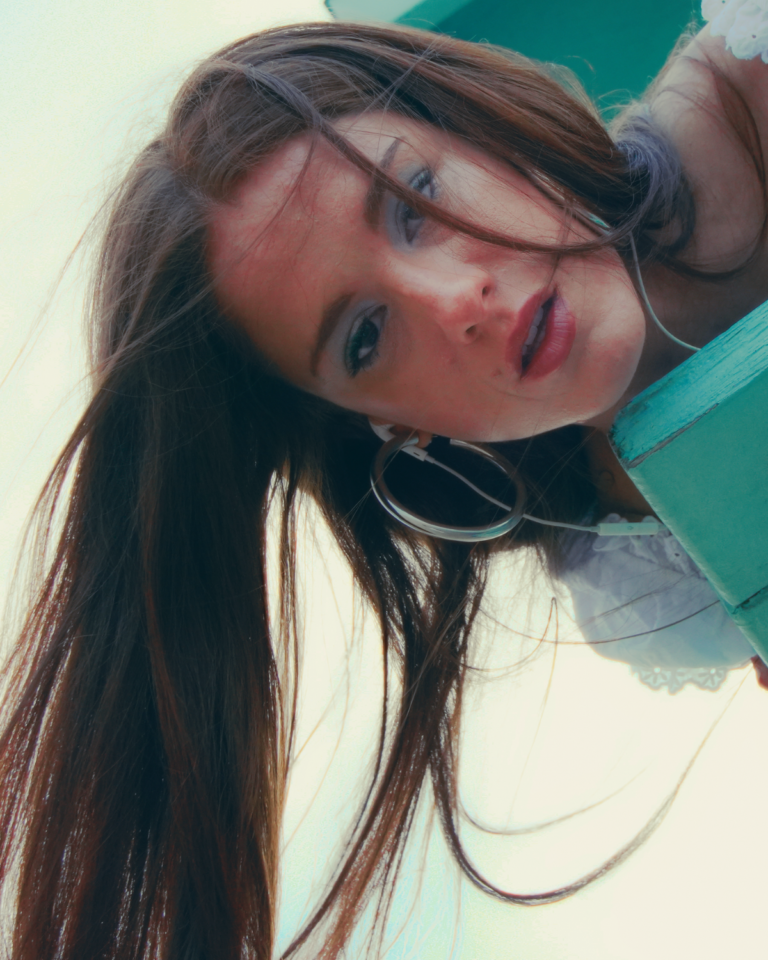
“I wanted to highlight the classic LA feel since I nod to Hollywood, The Valley and the dream in the song,” Collier says. The visualizer features turquoise lifeguard stands, Hollywood tour buses, the Walk of Fame, and glimpses of the Hollywood sign, creating a dreamy snapshot of the city that shaped the song’s emotional landscape. At the center of the visual story is a character rediscovering herself after heartbreak. She is confident, curious, occasionally chaotic, and still figuring things out in real time. “You see a woman who is learning herself again or maybe even for the first time,” Collier says. “All of the performance was truly authentic to how I felt at the time.”
I wanted to highlight the classic LA feel since I nod to Hollywood, The Valley and the dream in the song
The track also arrives at a moment when conversations around sobriety and nightlife are beginning to shift. For decades, club culture has been closely tied to excess, but a growing number of artists are redefining what the experience can look like. Collier is part of that shift, embracing nightlife while remaining fully present within it. “The greatest gift of sobriety has been presence,” she says. “My attention is much clearer, and I can experience the fullness of the experience that is music and dance.”

That clarity has changed how she moves through nightlife spaces in Los Angeles. While venues come and go in the city’s constantly evolving scene, Collier gravitates toward places that feel authentic and rooted in music culture. She still remembers the electric energy of Winston House in Venice before it closed and loves the laid back rooftop atmosphere at Desert 5 Spot in Hollywood. Nights at Tenants in Silver Lake or shows at the Moroccan Lounge often deliver the same creative buzz.
More often than not, though, the nights that leave the biggest impression happen within smaller creative communities. “I find the most fun spots I’ve been to in sobriety have been friends’ release parties,” she says. “There’s an element of celebration and camaraderie around creativity that is inspiring.” That sense of community is fueling Collier’s next chapter. “I DON’T DO DRUGS” is just one piece of a larger project leading into her upcoming album, DANGEROUS, which will continue exploring the emotional themes she has been navigating over the past few years. The project will also include a short film that dives deeper into the stories behind the music. “I will continue launching fully into the DANGEROUS album with a couple of singles on the way into 2026,” Collier says.
If the new single offers any preview of what is coming next, it is that Collier has no interest in simplifying the emotional complexity of being human. Instead, she embraces it fully. “I think letting the mess of humanity be something you wholeheartedly accept is true punk rock,” she says. In a culture that often encourages people to numb their feelings or escape them entirely, Ella Collier is doing the opposite. She is facing them head on, turning them into music, and somehow making heartbreak sound like the start of a very good night.