Inside Nightbird Recording Studios With Cara
Inside Nightbird Recording Studios, Cara builds THE KRONICLES in real time, blending vulnerability, boldness, and creative control in her most intentional and autobiographical era yet.
- Written By: Amanda Coscarelli / Photography & Videography By: Von Jackson
There is a distinct kind of tension that exists inside a recording studio when an album is still becoming what it is meant to be. The air feels different when nothing has been finalized, when no one is speaking in hindsight, and when the artist at the center of it all is still actively shaping the emotional architecture of the work. At Nightbird Recording Studios, that tension hums beneath the surface. The room carries legacy, but it also holds possibility.
For Cara, this chapter is not about revisiting a finished narrative. It is about constructing one in real time. “Nothing is packaged yet,” she says. “There’s no PR angle. I’m building the world as I’m living it.” That distinction matters. There is no neat reflection here, no tidy summary of lessons learned. Instead, there are active decisions being made: a lyric adjusted to sharpen its honesty, a vocal take repeated to preserve its emotional weight, a production element stripped back because it distracts from the feeling rather than elevates it.
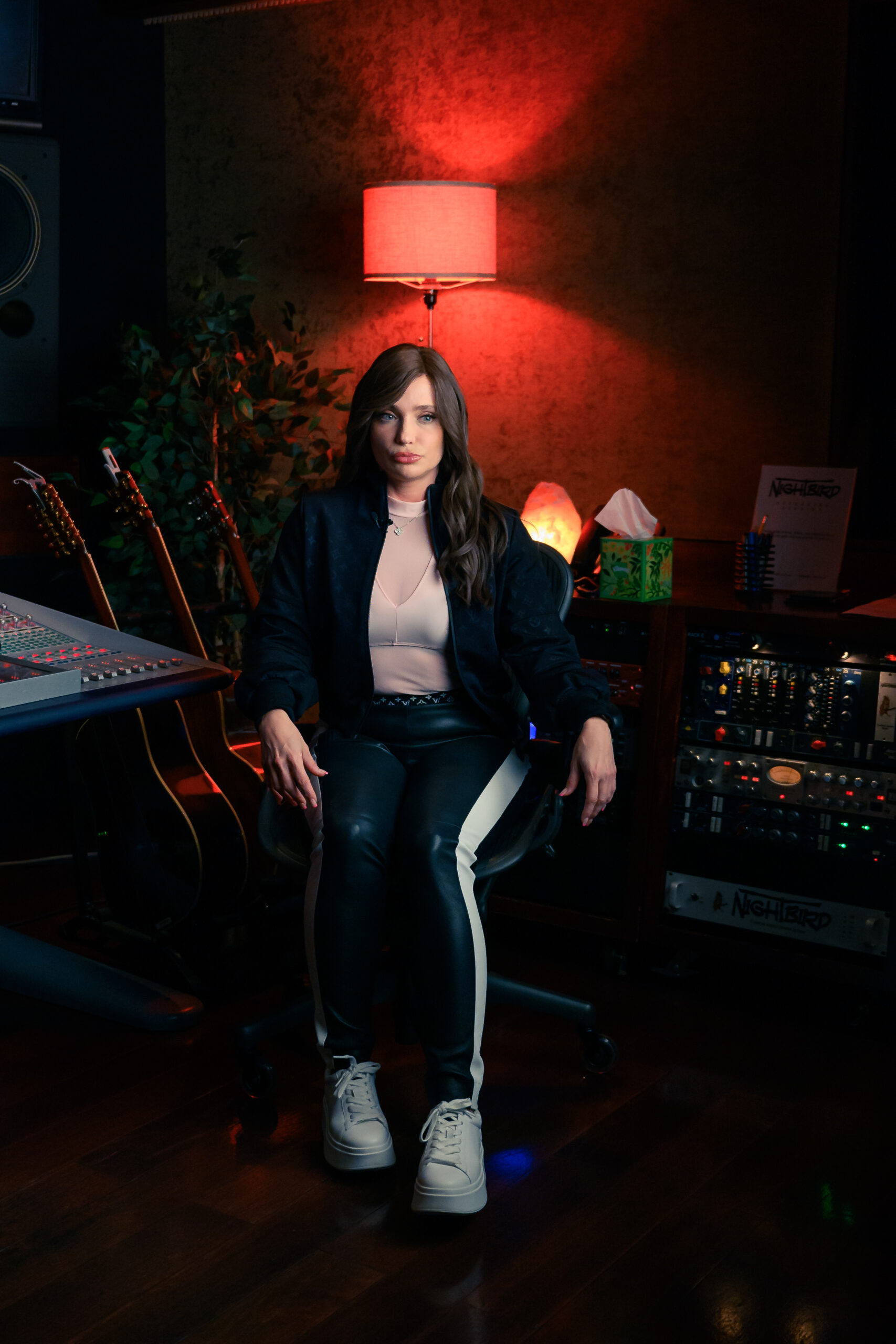
THE KRONICLES is an autobiography, but it does not present itself as a confessional in search of sympathy. It reads more like documentation of evolution. Cara is writing, producing, and creatively directing the album herself, which gives the process a singular clarity. There is no committee buffering the edges of her story. If a moment does not resonate emotionally, it does not survive. “If it doesn’t hit, I don’t care how polished it is,” she explains. Her instinct leads, and refinement follows. The initial emotional impulse is protected first; technical perfection comes second.
That approach becomes especially powerful when the subject matter turns inward. During playback, there are moments when Cara hears her own voice and recognizes something lingering beneath the surface. “You think you’ve processed something,” she says, “and then you hear it back and realize it’s still there.” Recording becomes less about performance and more about confrontation. Not in a fragile sense, but in a clarifying one. The studio functions as a mirror, reflecting not only what has been endured but also the strength that has emerged from it.
Her return to music after stepping away during a profound period of loss informs the emotional weight of this project. The first day back in the studio was not defined by a single feeling but by several colliding at once. There was fear in re-opening herself to that level of vulnerability. There was relief in breaking the silence. There was resistance in revisiting pain. “Silence felt heavier than making sound,” she says, a statement that captures the gravity of absence. Yet what ultimately brought her back was not pressure or expectation. It was timing. She returned when she felt ready to lead her own narrative again, and that decision infuses the album with intention rather than urgency.
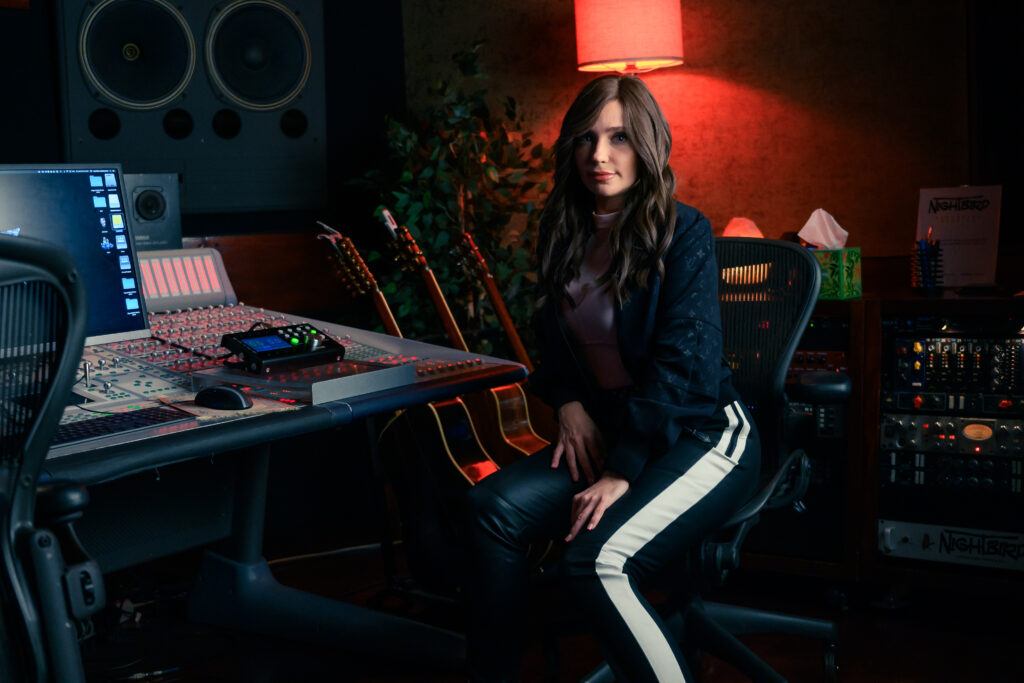
The song “Tears” marked a visible turning point in that return. It allowed her to show up without pretending that everything had already been resolved. However, THE KRONICLES extends far beyond that initial vulnerability. The emotional landscape widens to include rebuilding, confidence, anger, softness, and assertion. “Tears opened the conversation,” she reflects. “The rest of the album says everything I couldn’t say before.” In that sense, the record does not dwell in grief; it moves through it. It tracks progression rather than stagnation.
There is also an undercurrent of boldness running through the project, influenced in part by the legacy of Gangsta Boo, whose presence is felt most clearly on “CARA KUSH.” Cara speaks about carrying forward that fearless energy as a form of creative permission. It is not about imitation or nostalgia. It is about embodying unapologetic presence. “She never diluted herself,” Cara says. That refusal to shrink has become a guiding principle. The production choices feel deliberate. The delivery feels grounded. There is confidence in occupying space without softening for comfort.
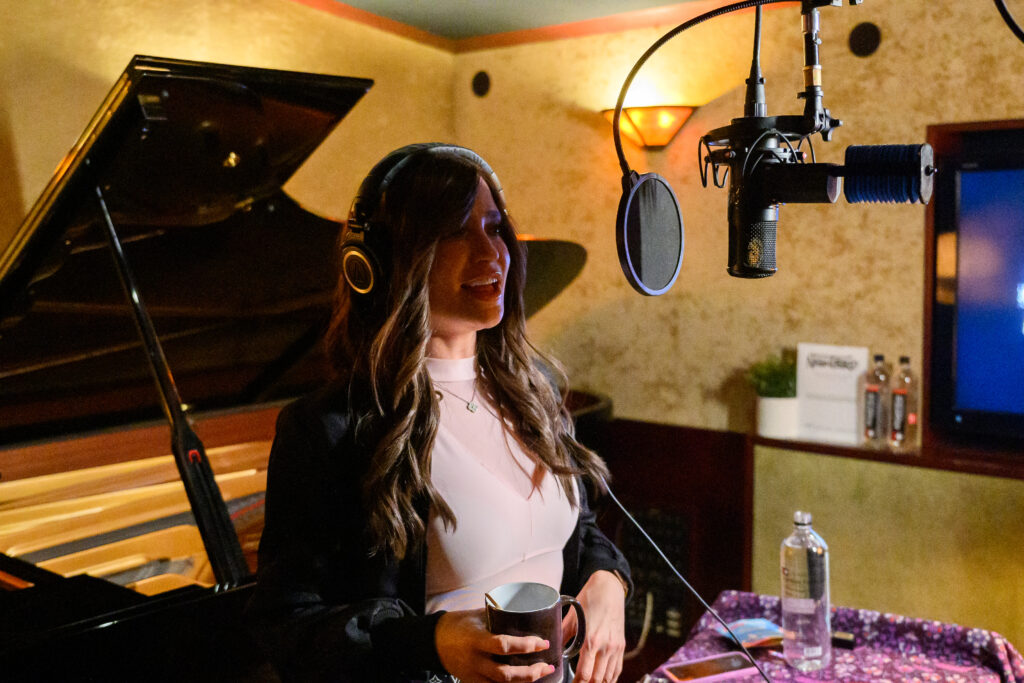
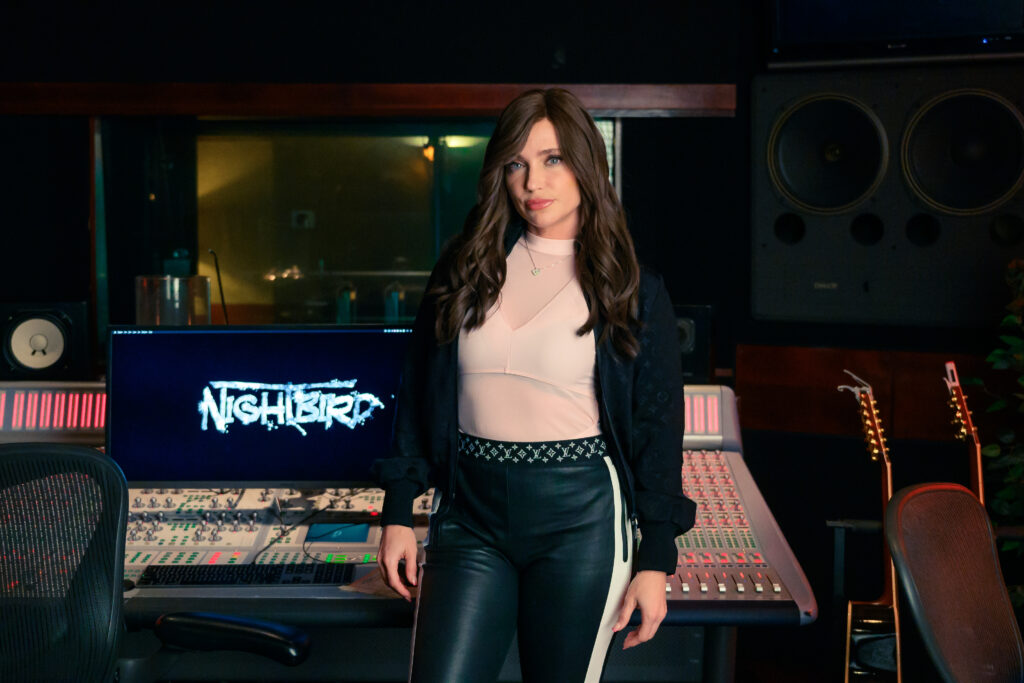
What makes this era particularly compelling is the willingness to reveal the process itself. There is vulnerability in allowing others to witness the in-between stages of creation, when doubt has not yet fully dissipated and clarity is still forming.
Cara does not present growth as linear or pristine. She acknowledges that healing is complicated and that creative breakthroughs often emerge from discomfort. “I’m not trying to be perfect,” she says. “I’m trying to be honest.” In an industry that often prioritizes polish, that commitment to transparency feels quietly radical.
THE KRONICLES, as a title, suggests record-keeping. A chronicle implies movement across time, a documentation of change rather than a static portrait. This album does not freeze Cara in a singular emotional state. It captures her in motion. The doubt exists alongside conviction. The softness coexists with strength. The introspection evolves into declaration. The arc feels lived-in rather than constructed.
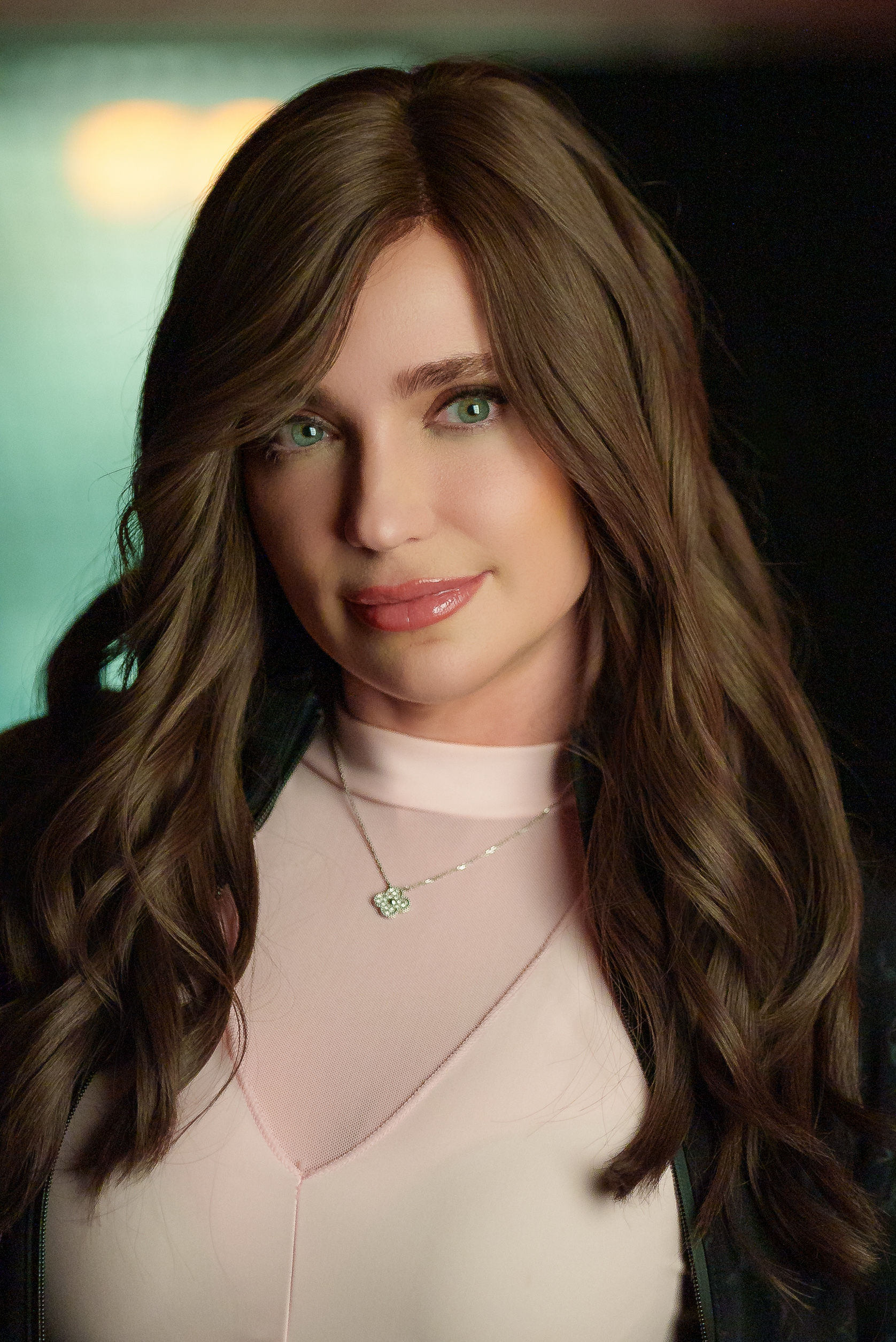
When asked what she hopes remains behind once the album leaves the studio, her answer is immediate: the weight. The fear. The uncertainty. What she hopes listeners carry instead is permission. Permission to feel deeply without apology. Permission to evolve without having every step mapped out. Permission to continue forward even when clarity is incomplete.
That philosophy lingers long after the final playback fades. There is a sense that this project is less about reintroduction and more about reclamation. Cara is not positioning herself within a comeback narrative. She is asserting authorship over her own story, choosing how and when to tell it. The distinction is subtle but powerful. One is reactive; the other is intentional.
As THE KRONICLES takes shape within the walls of Nightbird, it exists in its most intimate form: as drafts, as revisions, as instinctive first takes that still carry the imprint of the moment in which they were created. Eventually, the album will leave this room and enter public conversation. It will be streamed, analyzed, and interpreted. But at its core, it will remain what it was here: an honest chronicle of evolution unfolding in real time.
And when listeners press play, they will not simply hear a collection of songs. They will hear the sound of an artist choosing presence over perfection, conviction over caution, and authorship over expectation.
Read More


Exclusives
Julianne Beffa