LA Killed the Party, Miami Monetized It, NYC Just Let It Happen
A personal dive into nightlife across Miami, LA, and NYC reveals which city truly rules the night, from Miami’s wild spectacle to LA’s polished emptiness and New York’s chaotic energy.
- By: Julianne Elise Beffa
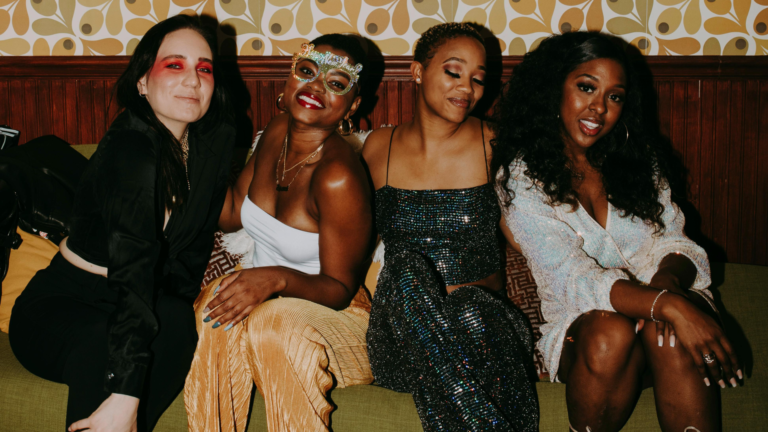
I’ve spent ten years living in New York, a year in Los Angeles, and just returned from Miami Art Basel. I watched three cities throw their very best nights, and I can say this with absolute certainty: nightlife isn’t just nightlife anymore; it’s a cultural thermometer, and the three biggest scenes in the U.S. reflect three very different philosophies about what it means to go out and feel alive. Miami feels like indulgence, spectacle, and chaos in its fleshiest form. Los Angeles feels like polished perfection without pulse. New York feels like unfiltered reality with no apologies. I can crown winners, call out the pretenders, and ask what the hell we’re actually chasing when we go out.
Miami
When I landed in Miami this year during Art Basel the city slammed me with sensory overload. Girls with lip fillers, BBLs, and surgically enhanced curves were dancing on tables while old rich men in linen jackets tried desperately to keep up, buying bottle after bottle like money bought energy. I’ll admit I felt slightly out of place watching it all unfold. It was like being an anthropologist at the edge of a performance art piece. But even while observing from the outside, I couldn’t deny the electricity in the room. People were there to move, to sweat, to give in to the night. Miami’s night culture hits a tempo that few cities can rival- the last call isn’t just late; it’s practically a dawn ritual. According to recent ride‑hailing data, Miami parties later than any other U.S. city, with last calls around sunrise and a significant share of nightlife rides happening between 3 a.m. and 5 a.m., and over 7.5 percent of those rides are in luxury vehicles, underscoring how much money is flowing into the late‑night scene. (Time Out Worldwide)
Los Angeles
But then there’s Los Angeles, a city that theoretically should be a nightlife capital by default. Hollywood, celebrity culture, endless money, weather that never sleeps- all of it should equal unstoppable parties. Yet after a year living there I came to a pretty harsh conclusion: LA has perfected the death of the party while looking drop‑dead gorgeous doing it. Walk into a West Hollywood lounge and the girls are on their phones, the men are statues in Chrome Hearts, and the energy feels like a high‑end networking event with music. I would often find myself the only one dancing when a DJ dropped a good track, and I wasn’t trying to be ridiculous; I was simply trying to find where the energy was hiding. Local Angelenos on community boards summarize it bluntly: the city’s night life has become less about dancing and more about boutique cocktails, clubs closing down, and lounges where everyone stands around waiting to be photographed.
That’s not just my personal impression- it’s a cultural trend. LA nightlife is less about losing yourself and more about presenting a curated version of fun. People walk into rooms worried about their angles, their tags, their stories, and not enough people are worried about feeling anything. It’s aesthetic without heartbeat, and that’s what happens when a scene lets perfection replace pulse.
New York City
And then there’s New York, the city that refuses to let the night stop even when sunrise comes sliding through the skyline. I’ve lived here for ten years and I can blackout at a dive bar, wander the streets until 3 a.m. with pizza sauce in my hair, and literally nobody bats an eye. You can scream at the top of your lungs, dance on a bar, or stagger down Broadway and the city just keeps absorbing you like an institution of unfiltered life. New York is cliquey, expensive, and it can be exhausting, but it’s alive. The city’s nightlife economy supports nearly 300,000 jobs and generates billions in economic output while fueling tourism, hospitality, and cultural influence at a rate faster than much of the rest of the local economy. (Bronx Borough President’s Office) Events and nightlife attendance have surged post‑pandemic with bar and club attendance reportedly up nearly 30 percent compared to 2019 levels, and the city’s nightlife now accounts for nearly one‑third of tourism‑related revenue in some estimates. (ManhattanG)
According to one ranking released this year New York was even named the number one party city in the United States based on event density, nightlife offerings, and cultural vibrancy, outpacing iconic nightlife hubs like Miami and Los Angeles. (New York Post) That’s not just hype- it’s the reality of a city that doesn’t treat the night as a sideshow but as a defining piece of its identity.
In Conclusion...
So what do these differences actually mean? Here’s my bold conclusion: Miami has the sexiest, most indulgent nightlife. New York has the most exhilarating, unhinged nightlife. Los Angeles has the prettiest, emptiest nightlife. Miami captures attention with spectacle and money. New York captures the spirit of nightlife with chaos, freedom, risk, and authentic human energy. Los Angeles captures your reflection in a mirror and calls it a night.
And if nightlife is going to survive- not just persist as bougie lounges and Instagram backdrops- it will be the cities that protect unpredictability that matter. Miami shows that spectacle still draws bodies and money. LA warns us what happens when curation replaces courage. New York reminds us that nightlife, at its core, is about letting go, about being unfiltered, messy, sweaty, and fully present even when you don’t look perfect.
The future of nightlife will be whatever cities refuse to let the party become a museum exhibit- the places where people show up not to be seen but to be felt. Because the minute nightlife becomes more about being edited than being lived, the whole thing dies. And honestly, that’s exactly what I saw in Los Angeles and exactly what keeps New York’s unhinged nights alive. Miami may be the boldest right now, but New York remains the heartbeat we’re still chasing.
Read More


Nightlife + Dining
Amanda Coscarelli