Reservation Culture Replaced Logo Culture: Here’s Why
From five-star hotels to impossible-to-book restaurants, luxury consumers are spending more on experiences and less on products, redefining what status looks like in 2026.
- By: Julianne Elise Beffa I Photos By: Romer Hell’s Kitchen Hotel
Luxury used to be easy to define. It was the bag, the car, the art hanging quietly in a temperature-controlled room. It was ownership as proof, objects as identity. But the latest 2025 Bain & Altagamma report makes it painfully clear that something fundamental has shifted, and it is not subtle. Luxury hospitality spending is up 7 percent, fine dining is up 7 percent, while cars are down 4 percent, fine art is down 7 percent, and personal luxury goods are down 2 percent. Consumers have not stopped spending on luxury, they have simply stopped buying it in the traditional sense. Instead, they are investing in experiences that move, change, and disappear the moment they end.
This shift speaks to a deeper redefinition of value. A Prada bag still exists, still costs what it costs, and still does exactly what it did before, but culturally, it no longer carries the same weight. Logos have become oversaturated, limited editions are no longer truly limited, and trend cycles now move at a speed that makes ownership feel outdated almost as soon as the purchase clears. Experiences, on the other hand, cannot be duplicated or archived in the same way. A perfectly designed hotel bar, think: PUBLIC Hotel in the Lower East Side, a chef’s counter tasting menu like The Studio at Clemente Bar, or a destination stay that feels impossible to book carries a kind of social and emotional return that products simply cannot match.
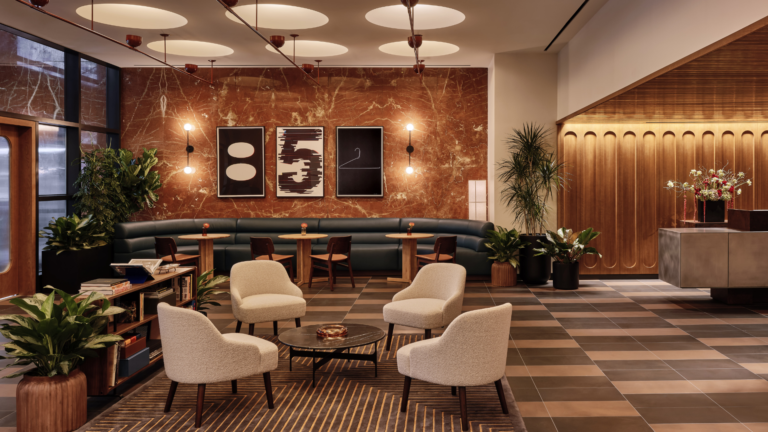
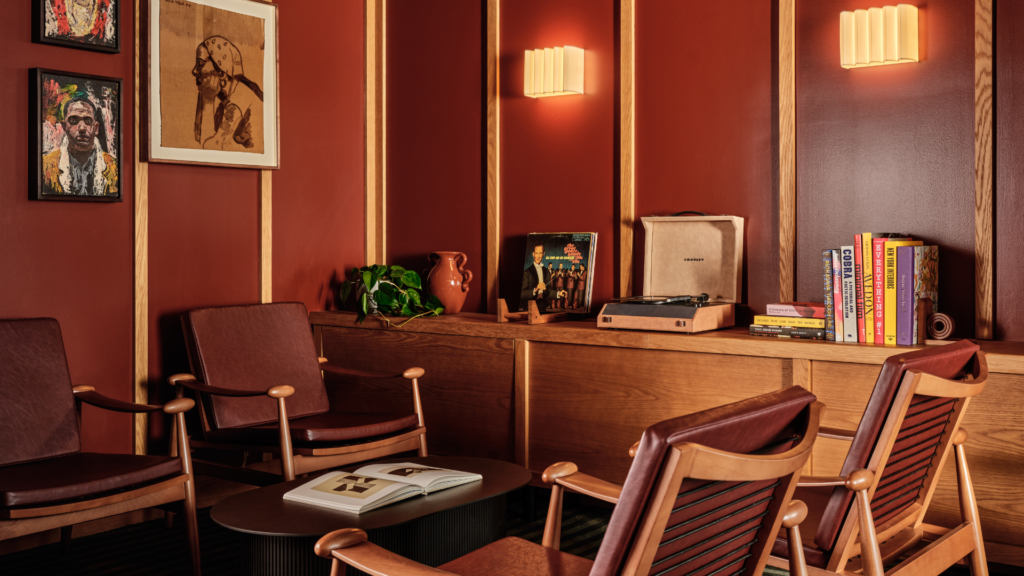
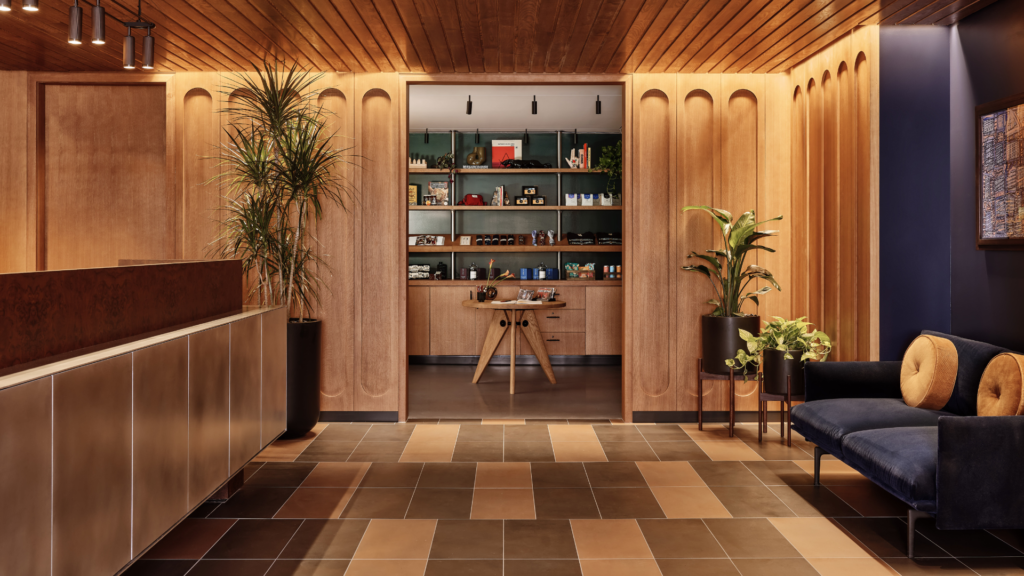
Luxury hospitality’s rise is not accidental. Hotels, like the pictured, Romer Hell’s Kitchen Hotel, have evolved into cultural hubs, nightlife spaces, top-tier restaurants, and social ecosystems all at once. Fine dining has become immersive, theatrical, and intentionally exclusive, rewarding those who plan, know, and gain access. These are environments where luxury is felt rather than displayed, where the value lies in being present, not just possessing something afterward. The consumer is no longer asking what they can buy to signal status, but where they can go, who they can be surrounded by, and what kind of moment they can participate in.
So... how did this happen?
The decline in categories like cars and fine art reinforces this reality. These purchases are expensive, static, and burdened with logistics, maintenance, and long-term commitment. For a generation that values flexibility, immediacy, and cultural relevance, traditional status symbols feel heavy. A car does not circulate socially unless you are inside it or taking a cheesy Instagram photo, and art does not generate relevance unless it already belongs to an elite narrative.
Hospitality experiences, on the other hand, are instantly shareable, emotionally charged, and culturally portable. They travel faster, live louder, and leave a stronger impression than most physical assets ever could.
What makes this shift controversial is not that consumers are choosing experiences, but that luxury brands helped create this outcome themselves. Overexposure eroded exclusivity, mass visibility weakened mystique, and the democratization of luxury turned once-aspirational items into background noise.
Hospitality, by contrast, has leaned into access over abundance, scarcity over scale, and storytelling over saturation. A hotel opening feels finite, a reservation feels earned, and the experience itself feels unrepeatable, even if you return.
Now what?
I’m not saying that fashion or personal luxury is dead, but I am saying that it has been repositioned. The bag is no longer the destination, it is the supporting character. The real luxury now is the room you are in, the seat you secured, the table you were invited to, and the experience that cannot be fully explained once it is over. Bain and Altagamma’s data confirms what culture has already been signaling:
consumers want their money to buy memories, access, and emotion, not just objects that sit quietly on a shelf.
Luxury has shifted from ownership to orbit. It is no longer about what you have, but where you can enter, experience, and be part of. Hospitality wins because it understands this instinctively. It sells presence, not possession. In a world where everything is visible, the most valuable thing you can offer is a moment that exists only for those who were there.
Read More


Nightlife + Dining
Ani Gutierrez