So, Where Are We Drinking? 6 Alcohol Founders & CEOs Weigh In
Drinking culture is changing, from what’s in our glasses to how we socialize. Six alcohol founders and CEOs share what they’re seeing- and what’s coming next.
- By: Julianne Elise Beffa I Photos By: Blind Tiger
Think about the last time you discovered a new favorite drink. Chances are, you weren’t standing in the liquor store staring at 47 nearly identical labels while wondering what the hell “notes of toasted vanilla” is supposed to mean. Someone probably handed it to you at a bar, or maybe you ordered it at dinner because the bartender or waiter insisted. You drank it on vacation, your bestie brought it to your house, or you tasted it at an event and suddenly needed to know where you could buy a bottle. There is a reason those moments stick, and it has very little to do with the shelf the bottle eventually ended up on.
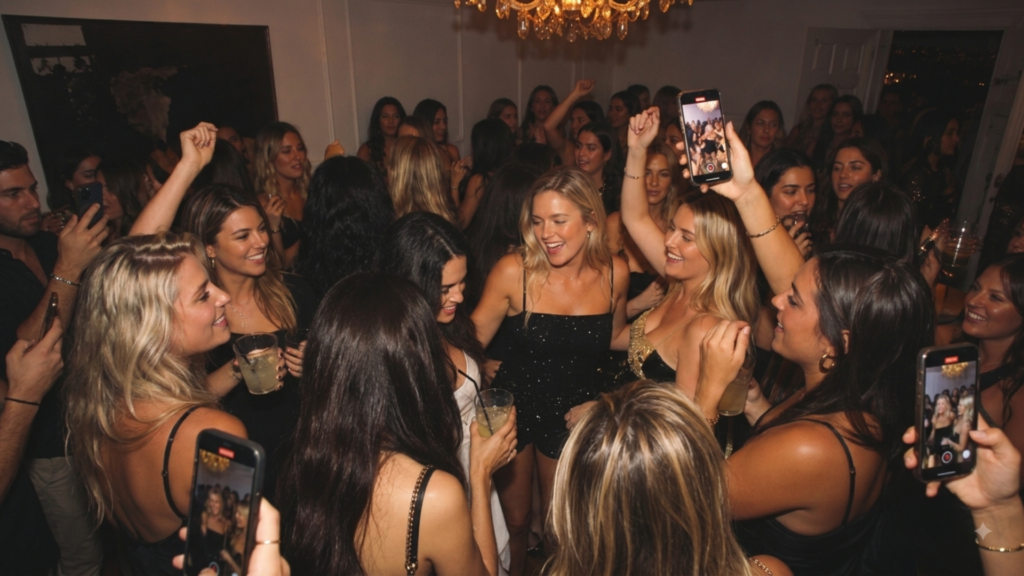
Alcohol is one of the few products that is inherently tied to place, people and occasion. You don’t just drink tequila; you drink tequila at dinner in Miami. You don’t just discover a wine; you discover it sitting outside a vineyard in California. You don’t just order a bourbon; you have it after golf with friends. The context becomes part of the product, which is exactly why the future of drinking culture may have less to do with convincing people to drink more and more to do with giving them a reason to care about what they are drinking in the first place.
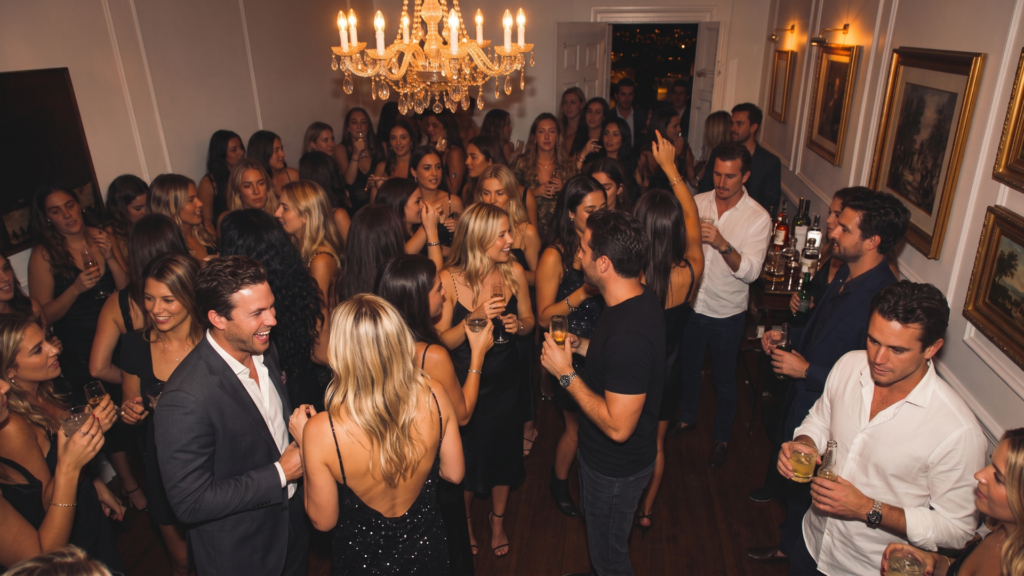
Drinkers, particularly younger ones (21 year olds, relax!), are drinking selectively, experimenting with moderation and becoming increasingly conscious about what they spend their money on. Boring in my opinion, but hey, to each their own. That said, “drinking less” has never necessarily meant “going out less.” If anything, it can make the occasions when people do choose to drink feel more important. The cocktail has to be good. The restaurant has to be worth the reservation. The bar has to have a reason to exist beyond four walls and a liquor license. The drink needs to earn its place in the night.
That is why the alcohol industry’s growing obsession with IRL experiences is more interesting than another round of branded pop-ups might suggest. The brands themselves are realizing that consumers don’t necessarily want to be marketed to; they want to be invited somewhere. I spoke with seven people behind some of today’s most interesting beverage brands about where drinking culture is going, and their answers point toward a future in which hospitality isn’t simply where alcohol gets sold. It may be where brands are actually built.
For Chris Parsons, CEO of Sweetens Cove, the award-winning public golf course near Nashville & Sweetens Cove Spirits, that starts with a simple premise: stop telling people what a brand represents and give them the opportunity to experience it for themselves. The spirits industry has historically been exceptionally good at selling an aspirational lifestyle through advertising, but Parsons believes the more powerful version is one consumers can actually step into.
“I think consumers remember experiences far longer than they remember ads. The spirits industry has historically spent enormous amounts of money telling consumers what brands stood for. Today you have an even bigger opportunity to actually let them experience it.”
Shop Sweetens Cove below!
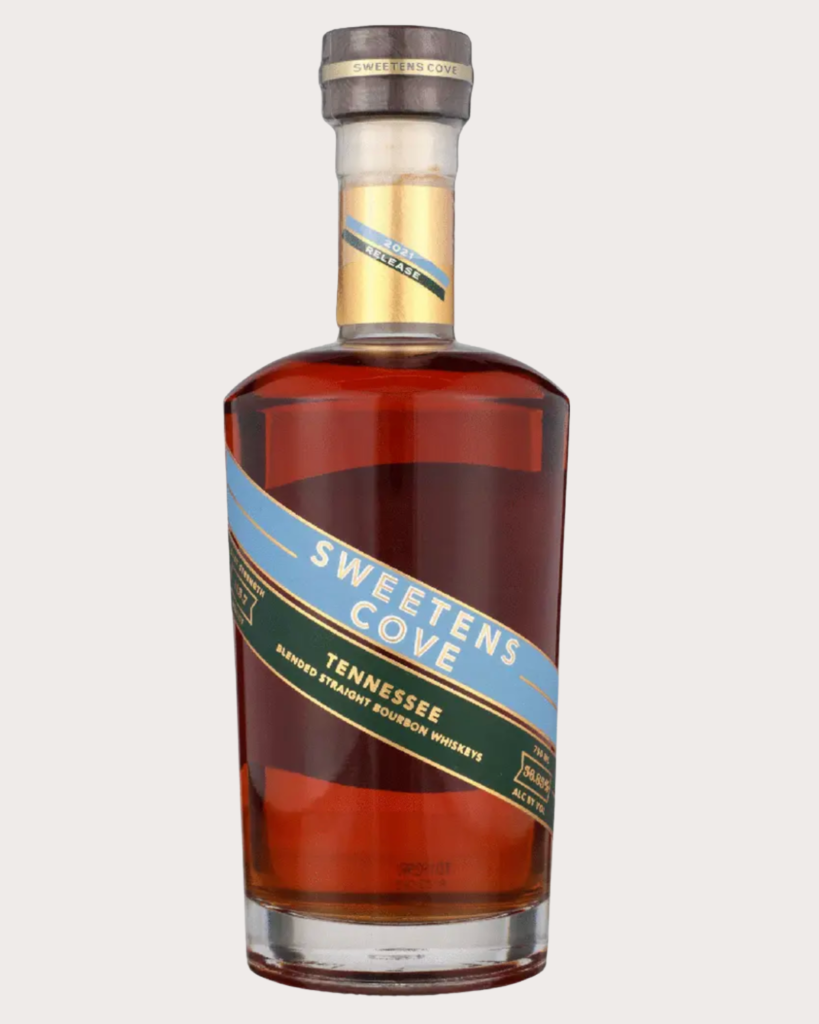
$150
Sweetens Cove
2021 Release Bourbon
That philosophy is particularly relevant for Sweetens Cove, a bourbon brand built around golf, friendship and the idea that some of the best drinking moments happen after the main event. Rather than treating those ideas as marketing copy, the brand is investing in making them tangible, with Parsons envisioning Sweetens Cove itself as somewhere consumers can experience the world behind the whiskey.
“For us that could be a great Sweetens Cove cocktail after a round, an event with friends, a dinner, a tasting or ultimately visiting Sweetens Cove itself. And that’s where having a physical home is incredibly powerful. We’re investing in Sweetens Cove as a destination and ultimately want people to be able to experience the whiskey in the same environment that inspired it.”
If somebody leaves saying, 'That was a great afternoon," rather than, 'That was a great marketing activation,' you've probably done it right.
There is a useful distinction here between an experience and an activation, particularly as alcohol brands increasingly compete for consumers’ attention through events, dinners, travel and hospitality partnerships. Parsons’ definition of success has nothing to do with how loudly a brand announces itself and everything to do with whether the guest actually had a good time.
“If somebody leaves saying, “That was a great afternoon,” rather than, “That was a great marketing activation,” you’ve probably done it right.”
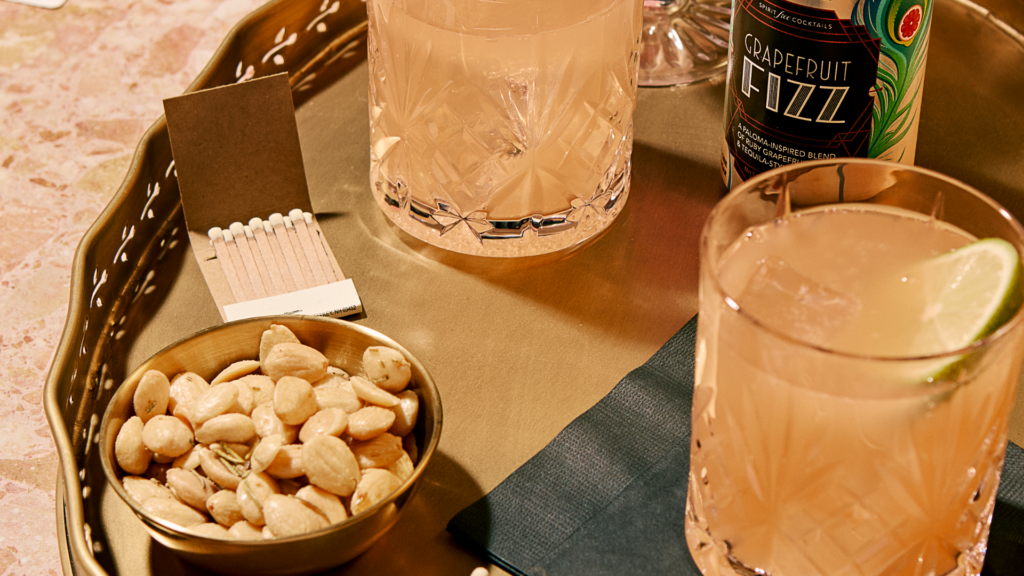
And maybe that should be the new test for every branded event: Would people still have wanted to go if the logo wasn’t there? If the answer is no, you probably didn’t throw a party. You threw an advertisement. Yuck! The best experiences make the brand feel like part of the memory rather than the reason the memory was manufactured in the first place.
That same idea of discovery through real people comes through in Jeremy Quaglia‘s view of bars and restaurants. The founder of High Limb Cider makes a compelling case for the original recommendation engine: the person behind the bar. In an industry increasingly obsessed with algorithms, digital discovery and social media, there is still enormous power in a bartender saying, essentially, trust me.
“Bars and restaurants (called “On-Premise Accounts”) are integral for a brands discovery. When someone goes to their favorite bar and tries a new product, they trust the establishments choice, and then usually fall in love with the product. This causes them to go seek the product on shelves and elsewhere. They become a cider evangelist and all you have to do is make sure they love that first sip, last sip, and every sip in between.”
Shop High Limb Cider Below!
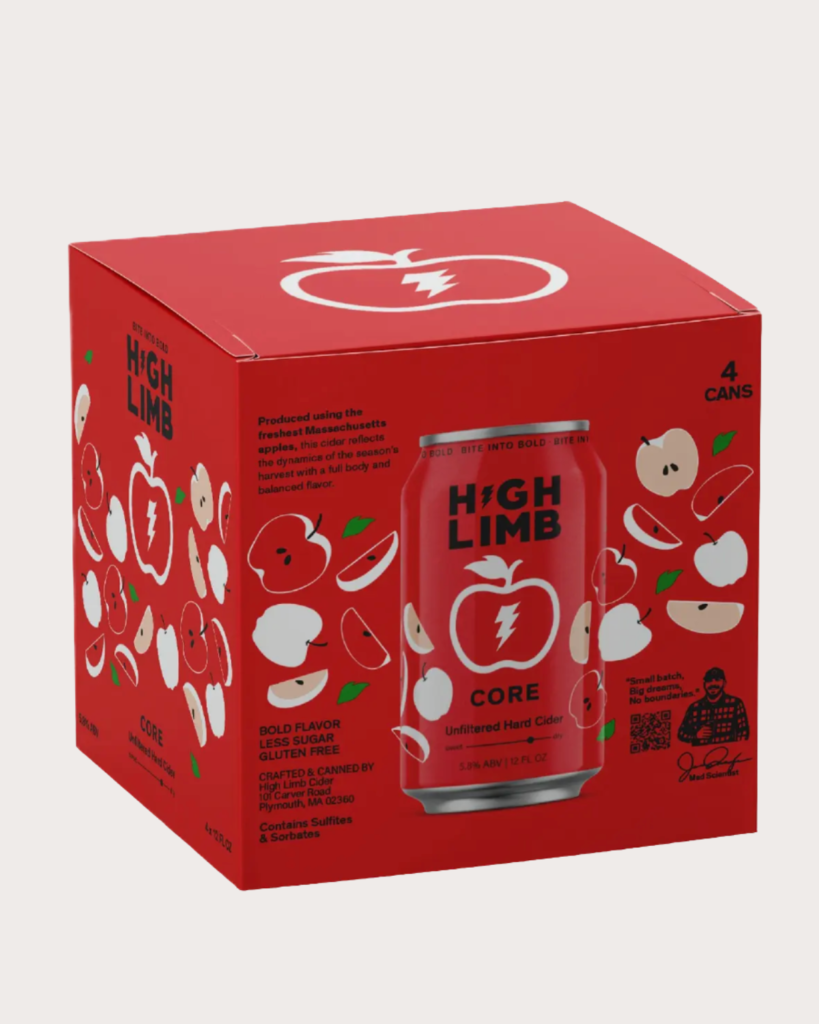
$12
High Limb
Core Cider
That word—trust—is becoming increasingly valuable in a beverage world where consumers are drowning in choices. There are thousands of spirits, wines, beers, ciders and zero-proof drinks competing for attention, and no one has time to become an expert in all of them. Sometimes you just want the bartender to say, “You’re going to like this.” But discovery only matters if the consumer can actually find the bottle again, which is why Quaglia sees hospitality and retail as complementary rather than competing channels.
“I think constant presence is priceless. In todays media-overload, peoples attention span is limited, at best. If you are present on every shelf – every time someone walks into a store, It builds a priceless brand awareness through brand repetition.”
In other words, the bar creates the crush; the liquor store keeps the relationship alive. That relationship gets even more interesting when the first encounter happens somewhere outside a consumer’s normal routine, which is where travel enters the equation.
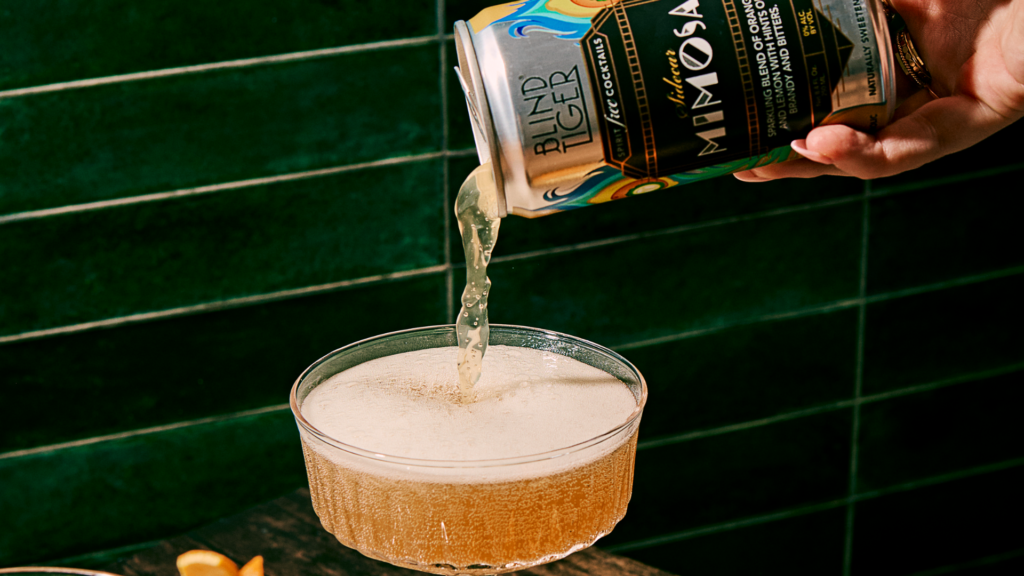
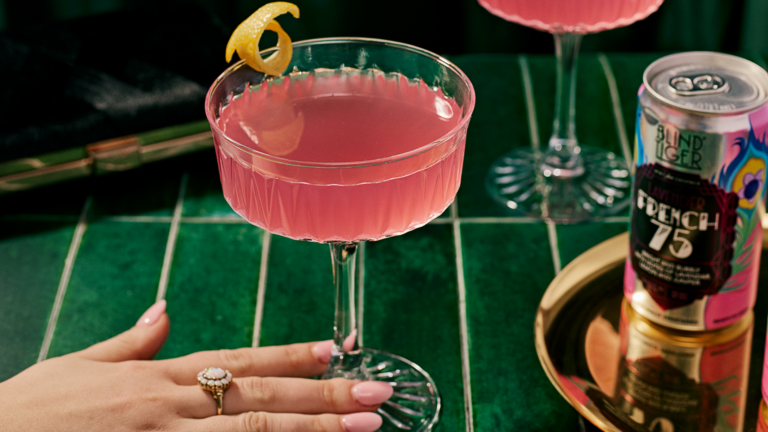
There is a reason you are far more likely to try a strange cocktail or mocktail while on vacation than on a random Wednesday at home. Vacation-you has questionable judgment, a much higher tolerance for spontaneity and absolutely no interest in ordering the same drink you could have made in your apartment. Rebecca Styn, founder and CEO of Blind Tiger, a prohibition-inspired non-alcohol cocktail brand, has seen that firsthand through the brand’s hospitality partnerships, including its fleetwide launch with Royal Caribbean.
“They’re both incredibly important, but they accomplish very different things. Retail is where people come looking for you. Hospitality is where people discover you.”
Retail is where people come looking for you. Hospitality is where people discover you.
Travel puts consumers in precisely the kind of mindset brands spend millions trying to manufacture: they are celebrating, exploring, relaxing and looking for something they cannot get at home.
“When you’re on vacation, you’re already in a mindset of trying something new. You’re celebrating, relaxing, making memories, and you’re far more open to experiences you might never have considered at home. That changes perceptions in a way retail alone can’t.”
Shop Blind Tiger Below!
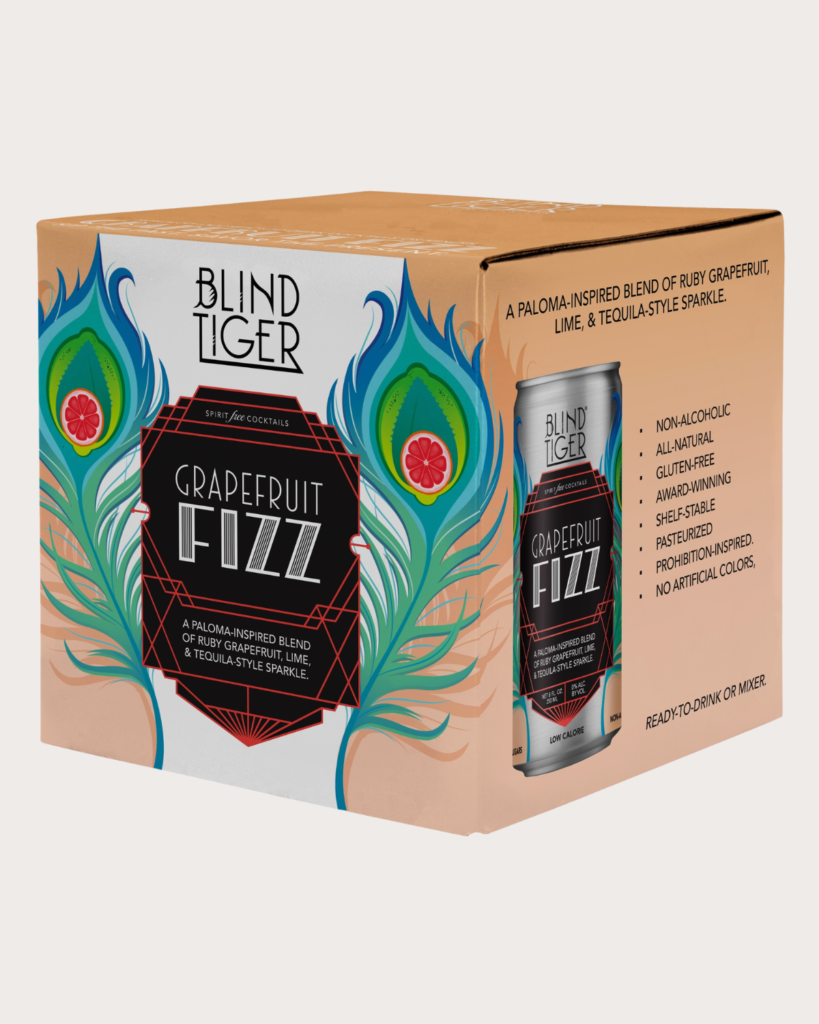
$15
Blind Tiger
Non-Alcoholic Grapefruit Fizz
Of course, vacation-you eventually becomes regular-you again, which is where retail comes back into the picture. The most effective discovery journey does not end when the trip does; it gives the consumer a way to recreate a small piece of that experience once they are home.
“…retail is essential because it gives people a place to find us once they get home. But I think the real magic happens when those two channels work together. Hospitality creates the first impression, and retail allows that experience to become part of someone’s everyday life.”
Maybe that’s why the best beverage brands increasingly feel less like products and more like souvenirs from a life you enjoyed having. And no category understands the power of place quite like wine.
Wine has arguably understood the power of place longer than anyone. A vineyard is literally a destination, and the best bottles come with a sense of geography, history and personality baked into the experience. For Drew and Laurie Duncan, founders of Donnachadh Family Wines, that sense of place is not something that can be manufactured after the fact; it starts with how the wine is made and the values behind it.
“People are a lot more curious now about where their food and wine comes from. That’s true across the board, but especially with younger drinkers, who care about transparency and want to support brands that reflect their values. Farming organically is one of the clearest ways we can show that we take how we treat the land and the people working it seriously.”
But transparency only works when there is something real underneath the story. Laurie Duncan believes the mythology, branding and experience surrounding a bottle should ultimately lead back to what is actually inside the glass.
“Story truly means something if it matches what’s in the glass.” And the modern drinker can discover that story almost anywhere, whether it is deliberately engineered into a hospitality experience or happens completely by accident.
“I think consumers are delighted to discover great wine just about anywhere, whether it’s at a restaurant, on a getaway, or even in a bottle their partner brings home as a surprise. Once people find a wine brand they love, the exciting part is digging deeper and discovering the nuances within that brand.”
I think consumers are delighted to discover great wine just about anywhere, whether it’s at a restaurant, on a getaway, or even in a bottle their partner brings home as a surprise.
Vilma Mazaite, General Manager of Donnachadh Family Wines, takes the idea of experiential discovery even further. For her, the most powerful hospitality experiences work because they provide something that has become surprisingly scarce: undivided attention. In a world where consumers are constantly being asked to look at, click on, buy and share something, there is something almost luxurious about simply being present.
“Enormously important. Reaching people at a moment when they’re fully present, enjoying a meal, paying attention to every detail, relaxing – all of that is a very powerful introduction.”
That is also why the right hospitality partnership is not necessarily the one with the biggest guest list or the most impressive logo lineup. If the people creating the experience genuinely share the brand’s values, consumers can feel the difference.
Shop Donnachadh below!
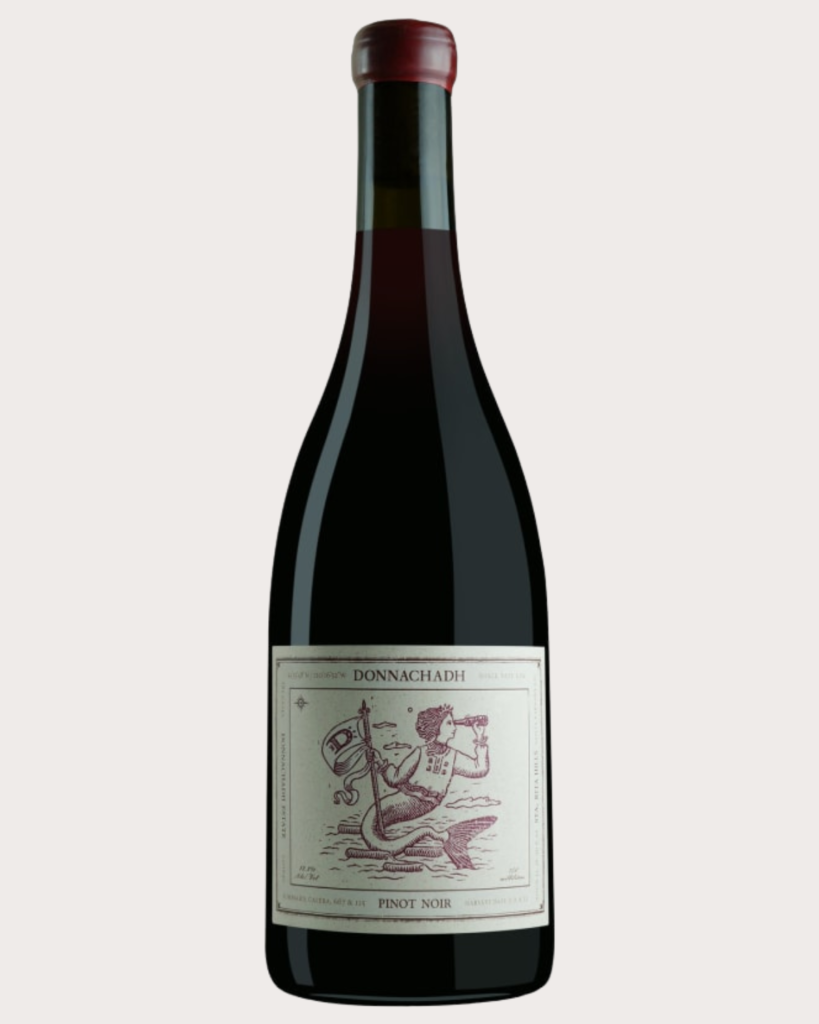
$75
Donnachadh
2022 Estate Pinot Noir
“It’s the shared philosophy that is the most important. We recently did a collaboration dinner with two other hospitality groups, each of which had Michelin Green Stars, and we did it on a regenerative farm in Carpinteria. All of us were aligned on how we respect land, support local, and cook or ferment to bring out what is there naturally. When our partners genuinely operate with the same philosophy, the guest can feel that alignment, and that also makes a perfect wine pairing.”
And when asked what she hopes guests remember, Mazaite doesn’t choose the wine. That may be the most revealing answer of all.
“All of it woven together. But if I have to pick, it’s the feeling. I want people to leave remembering how personal it felt, that they were standing in the place the wine they’re drinking comes from and talking to the people who made it. That feeling is what brings people back.”
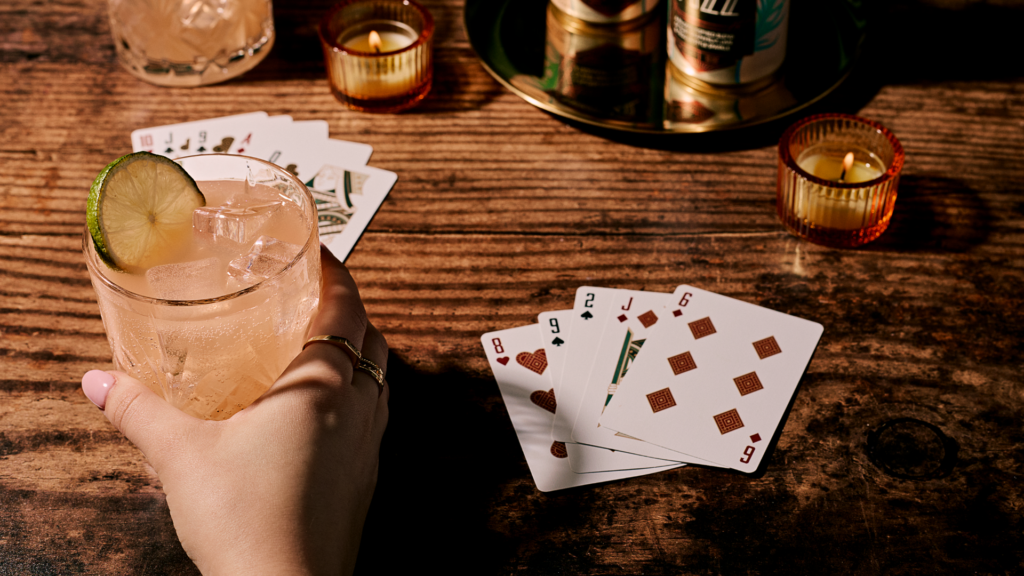
That idea of personal connection carries directly into Brittany Daggett’s approach to Necesita Tequila, where the people introducing the brand can matter just as much as the people buying it. In an oversaturated market, a bartender, restaurant employee or retail associate can become the difference between a bottle sitting untouched and becoming someone’s new favorite.
“If the store staff and restaurant/bar staff don’t like us, our story or the juice we are sunk. They won’t recommend Necesita Tequila. So, we pull up, show up, educate, celebrate these ambassadors of our brand because they will make or break us.”
Daggett’s strategy is notable because it rejects the idea that growth always means being everywhere. Sometimes the strongest brand is the one with fewer doors but deeper relationships behind them.
“We develop relationships with them and they start to feel like family. We would rather be in one bar/restaurant/store that champions us vs. twenty that don’t care.”
That may be the most interesting counterpoint to the industry’s obsession with scale. In a world where everyone wants more followers, more distribution and more impressions, some of the most valuable brand-building can still happen one bartender, one table and one conversation at a time. The common thread running through all seven perspectives is not that consumers have stopped caring about alcohol. It is that they are becoming more selective about the circumstances in which they care about it.
Shop Necesita Tequila below!
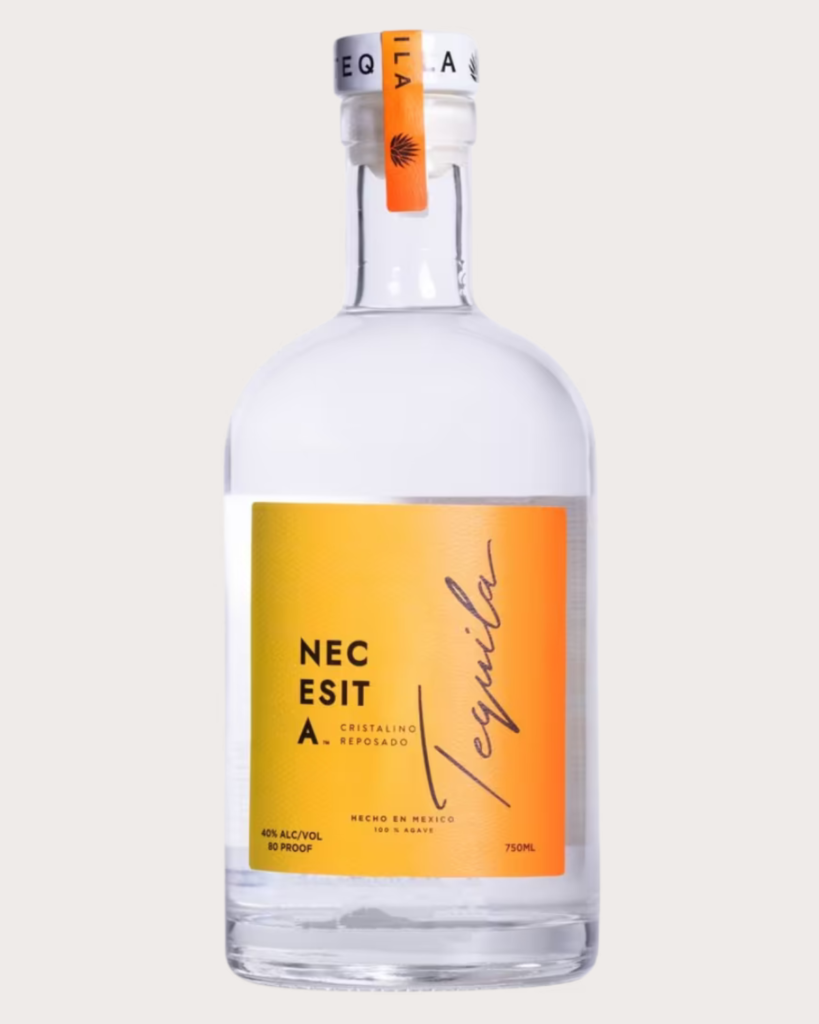
$117
Necesita Tequila
Cristalino of Reposado
And perhaps that is where drinking culture is actually headed: not toward some alcohol-free utopia where nobody ever orders another cocktail, and not back toward the old days when more drinking automatically meant a better night. Somewhere in between, consumers seem to be getting pickier. They want better bars, better restaurants, better cocktails, better wine, better service and, increasingly, a reason to remember the night.
The drink matters. Obviously. But the drink alone is no longer the whole story. The brands that understand that may be the ones that win the next generation of drinkers—not by convincing them to consume more, but by giving them something they actually want to raise a glass to.
Because the future of drinking might not be about what’s in your glass. It might be about whether the night was worth having in the first place.
Read More

Exclusives
Julianne Beffa