Does the 'Underground' Scene Secretly Crave the Spotlight?
Exploring secret raves, devoted communities, and the tension with mainstream nightlife.
- By: Julianne Elise Beffa
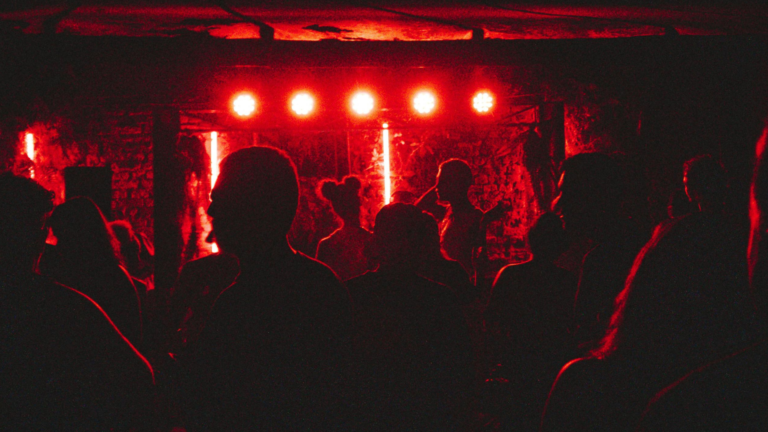
The underground was never meant to be seen. It existed in shadows and whispers, behind unmarked doors and inside rooms where music mattered more than proof. There were no flyers, no tagged locations, no evidence you had been there. If you knew, you knew. If you didn’t, you were never meant to. And yet, every time commercial nightlife enters the conversation, the underground rushes to announce itself.
That tension became impossible to ignore after my recent article, LA Killed the Party, Miami Monetized It, NYC Just Let It Happen, went viral. The story was about nightclubs in New York, Los Angeles, and Miami, but the underground inserted themselves immediately. Commenters rushed in to correct, discredit, and distance. “Whoever wrote this about LA has never once set foot in the real underground warehouse scene, and is probably not even a little bit aware of its existence.” “Bruh LA has nightlife. It’s underground.” “Clearly you’ve never been to an underground rave in your life.” Meanwhile, I was reading those comments with a literal scar on my leg from an underground party in DTLA, earned in a back alley where I tripped on loose concrete on the way in.
The implication was unmistakable. Visible, polished, and branded nightlife lacked cultural legitimacy. But the uncomfortable truth is that the underground and mainstream nightlife, AKA nightclubs, are not the same thing, and they were never designed to be. Yet since passionate underground loyalists insist on inserting themselves into conversations about traditional nightlife, it begs the question. Does the underground scene secretly crave the spotlight?
Let Me Take Y'all Back Man...
Historically, underground nightlife relied on intentional invisibility. Attendance was built on trust, word of mouth, and shared values rather than promotion or scale. The reward was the experience itself, not the validation that followed it online. What happened in the room stayed in the room, not because of elitism but because preservation demanded it. House music in America did not emerge from nightlife economics. It emerged from necessity. In 1980s Chicago, The Warehouse was not a venue competing for attention. It was a refuge for marginalized communities seeking freedom, safety, and collective release. DJs like Frankie Knuckles, Larry Heard, and Ron Hardy were not performers in the modern sense. They were facilitators of space, sound, and connection. The dance floor was not a product. It was a sanctuary.
That ethos carried into New York’s Paradise Garage and The Loft, Los Angeles warehouse parties, and countless unpermitted spaces across the country. These gatherings were unbranded, unsponsored, and often illegal. They were not designed to be profitable, scalable, or visible. The underground was not exclusive by design. It was protected by intention. But today, the scene sits at a crossroads as the word ‘underground’ has become a marketing term. It appears on festival stages, curated playlists, TikTok hashtags, and merch drops. It signals taste, authenticity, and credibility even when attached to brand deals and VIP sections. To those who live inside the culture, the shift feels invasive.
These Damn Phones...
According to the many underground sources I spoke to while writing this article, posting from certain underground nights can get you banned, not because of ego but because survival requires discretion. One underground rave party host in Los Angeles told LOOP, “The underground rejects traditional nightlife because mainstream nightlife is performative, commodified, and institutionally approved.” Once something becomes content, it becomes currency, and currency changes behavior. Still, there is a paradox no one wants to admit. The underground survives by being unseen, but attention is seductive. DJs with massive followings promote underground music while selling products. Fans swear loyalty to authenticity while filming the very moments meant to disappear. Everyone wants to belong, and belonging now often requires visibility.
This tension plays out differently in New York, Miami, and Los Angeles, but the pattern is consistent. In New York, sold out nights backed by sponsors are still labeled underground. In Miami, like I witnessed at the infamous Factory Town, underground showcases exist alongside luxury brand activations. In Los Angeles, secret warehouse parties coexist with highly curated nightlife experiences built for optics and scale. One thrives on intimacy and risk. The other thrives on spectacle and reach.
So... Does the Underground Secretly Crave the Spotlight?
At its core, the underground is rooted in resistance, community, and freedom. Mainstream nightlife functions as an institution, while the underground remains fleeting, DIY, and often illegal by design. But as secret sets circulate online and social platforms turn anonymity into algorithmic fame, the underground faces the same temptation that once fueled traditional clubs. Recognition. The deeper question is whether recognition can exist without compromise. Can the underground be respected without being sold? Can it be shared without losing its soul? Or does visibility inevitably erode the very thing that makes it powerful?
The truth is the underground both fears and craves the spotlight. It wants its music heard and its culture acknowledged but not commodified. It wants community, not clout. Until that balance is struck, it will continue to protect itself fiercely, rejecting traditional nightlife while dancing just beyond the mainstream gaze. Because once an underground night is valued for its visibility instead of its beat, it is no longer underground at all. It’s in the neon spotlight. And for many, that is the ultimate betrayal.
Read More

Exclusives
Julianne Beffa