How Hybrid Spaces Like Maison Welles Are Rewriting the Rules of Retail and Hospitality
A new wave of hybrid cultural spaces is emerging- blending retail, dining, and hospitality to meet what consumers in 2026 truly want: connection.
- By: Julianne Elise Beffa
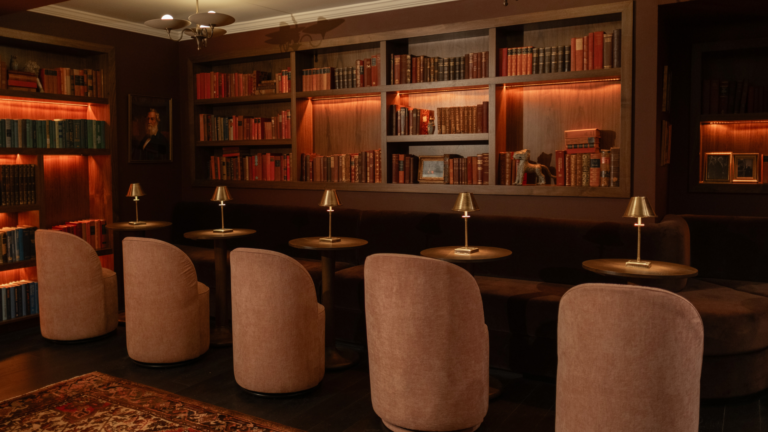
On a quiet, tree-lined block just off Union Square, a new kind of cultural space is taking shape. Maison Welles is tucked into the downtown Manhattan rhythm of students, artists, founders, and fashion insiders who move between meetings and martinis with equal ease. From the outside, it reads like a refined retail address. Step inside, and it unfolds into something far more layered: a café, an artist dining room, a champagne lounge, and an immersive retail stage all under one roof.
The shift feels timely. Over the last several years, traditional private members clubs have struggled to maintain their once ironclad allure. Membership growth in U.S. urban clubs has dropped between 18 and 25 percent compared to pre-2020 highs, while churn rates in some markets have exceeded 30 percent annually (Hospitality Net, 2025; Website-Files.com, 2026). Rising real estate costs, evolving work patterns, and a generational redefinition of luxury have all played a role. The velvet rope model, once shorthand for cultural capital, no longer carries the same automatic magnetism.
What’s emerging in its place is not the disappearance of community-driven spaces but their evolution. Consumers in 2026 are seeking environments that feel intentional rather than exclusive, experiential rather than transactional. Access alone is no longer aspirational. Belonging is.
The Café
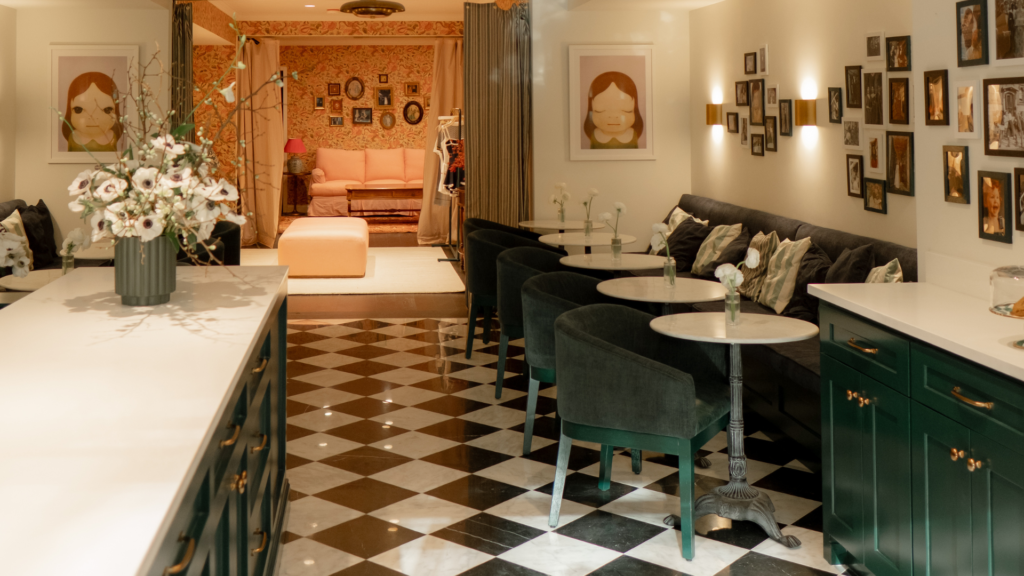
Maison Welles embodies that recalibration without leaning on the traditional club framework. Instead of positioning itself around membership status, it functions as a creative house rooted in hospitality, design, and storytelling. It is designed to bring people together and encourage connection, acting as both host and curator. The emphasis is less on who is kept out and more on how moments are crafted inside.
At the heart of the space are three distinct yet interconnected environments. By day, the Maison Welles Café offers a rhythm of ritual and reflection over matcha, coffee, and simple fare. In a city optimized for speed, this deliberate pacing feels almost rebellious. Experiential cafés with programming or cultural components have outpaced standard coffee concepts in year-over-year growth, reflecting a broader wellness movement that values mindful social interaction as much as clean ingredients (Market Research Intellect, 2025). Here, the ritual is the point. Coffee becomes ceremony. Conversation becomes currency.
As the sun sets, the McNeill Champagne Lounge transforms into an intimate parlor for champagne, dialogue, and low-lit connection. Industry trend reports indicate that sub-100-person venues have demonstrated stronger booking consistency than larger nightlife spaces in the past two years, largely because intimacy now signals luxury (Hospitality Net, 2025). Consumers are gravitating toward smaller rooms where energy circulates rather than dissipates. With a standing capacity of 75 and seated capacity of 50, Maison Welles is calibrated for closeness.
The Lounge
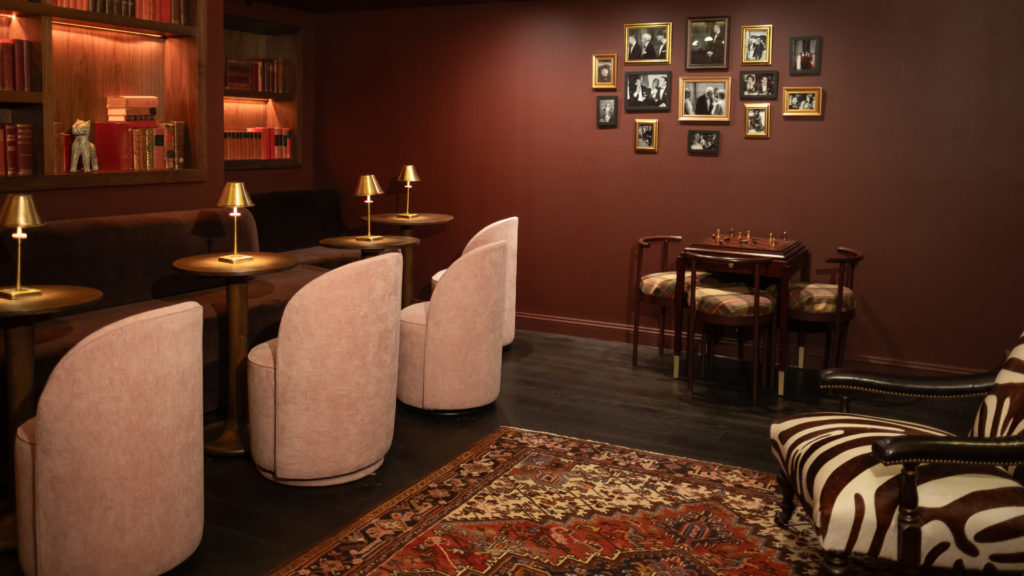
The De La Rosa Dining Room further expands the idea of what a hospitality space can be. Rather than operating as a static restaurant model, it functions as an artist dining lounge and collaborative stage. Chef-driven dinners, co-branded menus, and cultural salons replace the predictable reservation cycle. In 2026, programming is often more important than permanence. Ticketed collaborations and limited-run culinary experiences routinely sell out faster than traditional dining offerings because they promise narrative, not just nourishment (Soho Experiential, 2026).
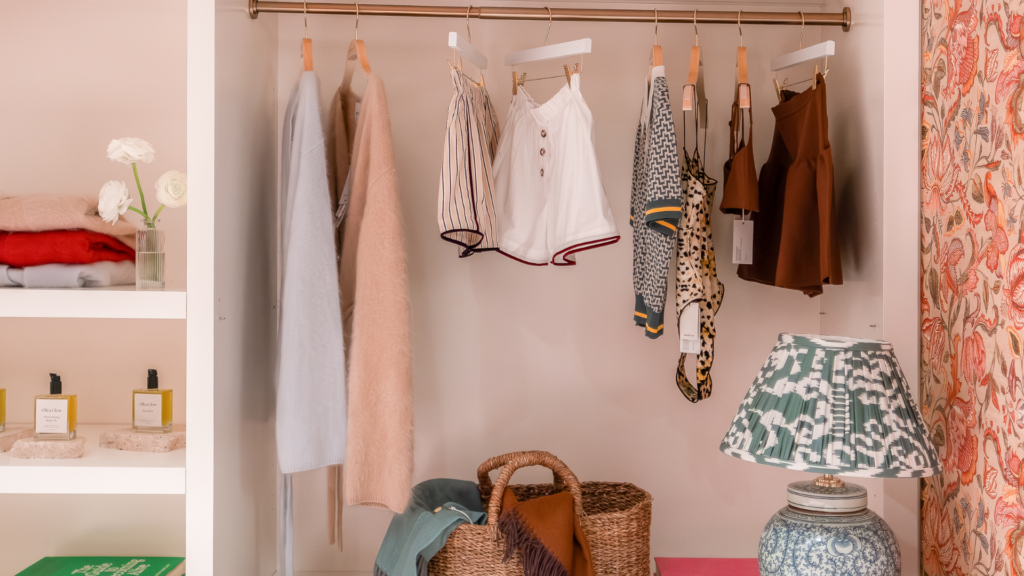
Beyond its hospitality core, Maison Welles integrates retail as immersive storytelling. Traditional retail environments have struggled with declining foot traffic, while pure e-commerce faces saturation and digital fatigue. Hybrid physical spaces that combine commerce with culture have emerged as a compelling counterpoint. According to recent consumer surveys, more than 60 percent of Gen Z and millennial shoppers prefer purchasing from independent or emerging brands when they can engage with the story in person (Market Research Intellect, 2025).
Maison Welles leans into this by partnering with independent brands across fashion, home, fragrance, accessories, and jewelry. Collaborations with names like Flamingo Estate, Soft Goat, Agustina Bottoni, and Be Madd Jewelry create a rotating narrative of craftsmanship and care. Trunk shows, pop-ups, art installations, and co-branded menus allow commerce to feel human again. Shopping becomes encounter. Product becomes story.
The Retail
Founder and creative director Ana McNeill describes the concept as “a love letter- to home, to legacy, and to the quiet beauty of shared experience.” That sentiment captures the broader industry evolution. In 2026, luxury is less about square footage or gatekeeping and more about intention. Consumers are prioritizing spaces that reflect their values: sustainability, craftsmanship, emotional resonance, and community.
Downtown Manhattan, with its constant creative pulse, provides an apt backdrop. The area surrounding Union Square has long been a crossroads of commerce and culture, where artists share sidewalks with entrepreneurs and students. Maison Welles mirrors that blend. It softens the boundary between retail and hospitality, between daytime ritual and nighttime celebration.
Maison Welles is, at its heart, a love letter- to home, to legacy, and to the quiet beauty of shared experience.
As traditional membership-driven models recalibrate, the future appears to favor fluid, multi-use environments that prioritize connection over exclusivity. Spaces are evolving because people are evolving. Work is more flexible, social life more fragmented, and digital saturation more intense than ever. Physical environments must now offer what screens cannot: texture, intimacy, and the alchemy of shared presence.
Maison Welles does not present itself as a club or a store or a restaurant alone. It presents itself as a house. In doing so, it reflects a broader shift reshaping urban hospitality and retail alike. The next wave of cultural spaces will not be defined by who holds a card at the door, but by how thoughtfully they choreograph the moments within (Hospitality Net, 2025; Soho Experiential, 2026; Market Research Intellect, 2025; Website-Files.com, 2026).
Read More

Nightlife + Dining
Amanda Coscarelli