How Nick Steven Manca Turned a Teenage Nightlife Hustle Into a Career at E11EVEN
From selling $5 party tickets at 16 to becoming a key player at E11EVEN, Nick Steven Manca shares how he built his career, mastered Miami nightlife and learned why relationships matter more than access.
- By: Julianne Elise Beffa
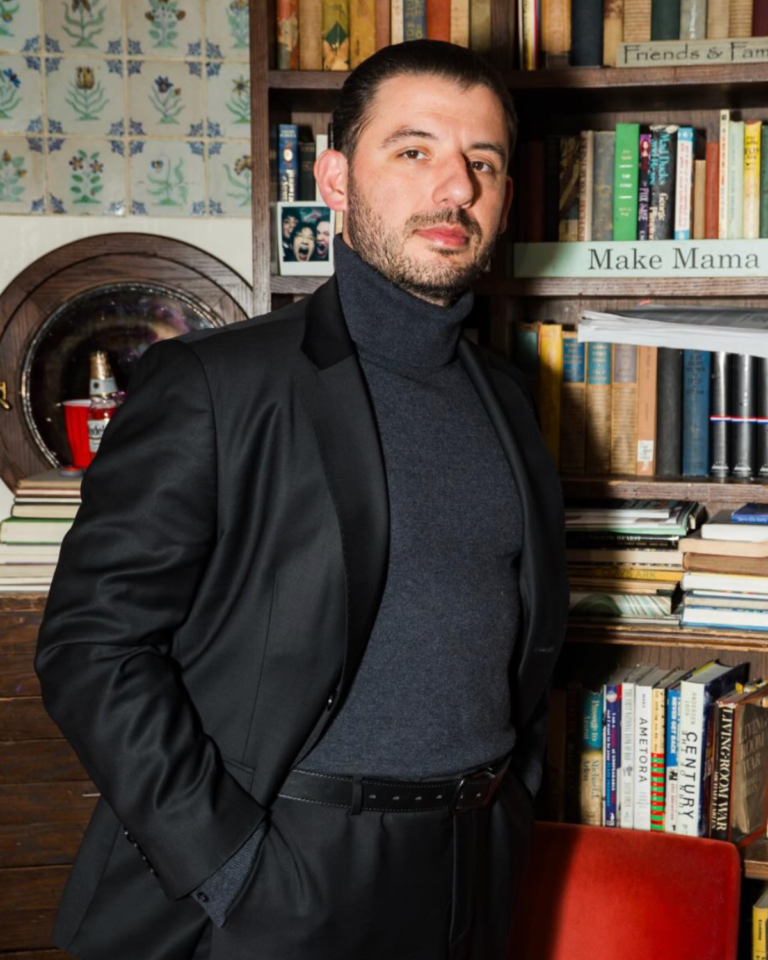
As a nightlife editor, part of my job is knowing who actually matters in this industry. Not just the people whose names are on the flyer or whose Instagram followers make them impossible to miss, but the people behind the scenes who have helped shape where nightlife is going. I first came across Nick Steven Manca on Instagram, where he shared a post about his journey in hospitality. Almost immediately, I knew there was a story there I wanted to tell.
At 16, Manca was already figuring out how to get people through the door, selling $5 tickets to all-ages parties in Downtown Miami, passing out flyers at school and eventually leaving school early to distribute them outside other schools. What started as a teenage hustle turned into a career that would take him from promoter to marketing director to VIP host to management, eventually making him one of the key players at E11EVEN Miami Nightclub, where he spent more than a decade helping build one of Miami’s most recognizable nightlife and entertainment brands.
What caught my attention wasn’t simply that Manca started young. Plenty of people get into nightlife because they like going out (cough, cough, meeee). What is far more interesting is that he stayed, evolved and kept finding new ways to bring value as the industry around him changed. He built a team of more than 20 high school promoters, negotiated with club owners before he was even 18, became a marketing director at 19 and was working on South Beach by 21.
At 23, he joined E11EVEN as a VIP host, eventually moving into lead hosting and management. More than a decade later, he has experienced the brand from nearly every angle, growing alongside a venue that expanded far beyond the traditional idea of a nightclub. Somewhere along the way, the kid who once thought hospitality was about “selling tables, bringing people through the door and making money” developed a very different understanding of what actually keeps people coming back: “Hospitality is about people. It’s understanding personalities, anticipating needs, remembering details and making someone feel valued.”
That distinction is what makes Manca’s story particularly interesting. In an industry that can sometimes seem obsessed with who is on the list, who is sitting at the best table and who spent the most money, he has built his career around something much harder to quantify. “People may forget what they spent, but they remember how you made them feel,” Manca told LOOP Mag in an interview. From the guest side of the velvet rope, nightlife can look effortless. Manca has spent his career learning just how much goes into making it feel that way. “When you’re young, you see the party,” he says. “As you grow into leadership, you start seeing everything behind the party, the operations, staffing, marketing, talent, relationships, sales, service recovery and thousands of small decisions that create the final experience.”
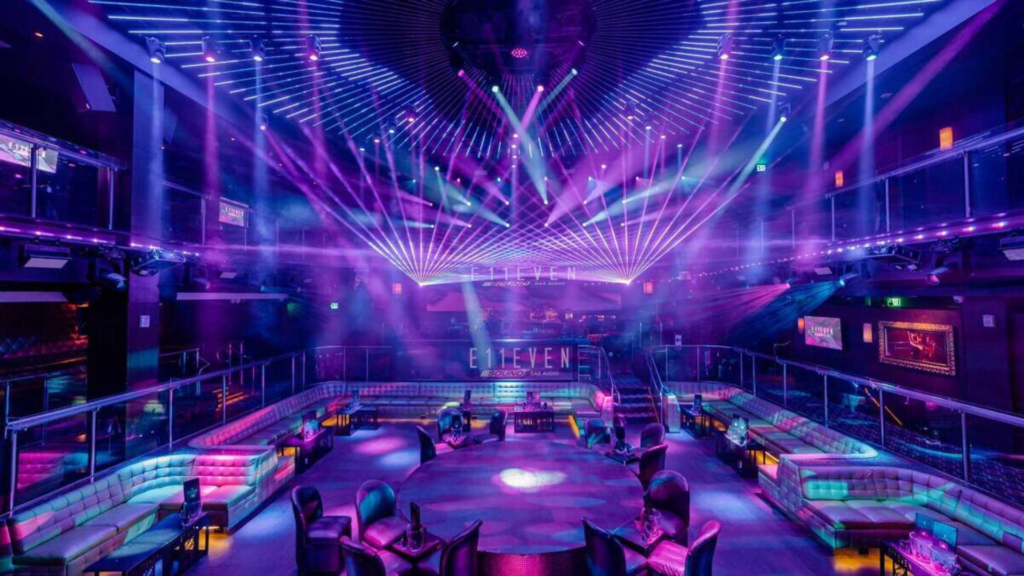
There may be no better place to learn that lesson than E11EVEN. From the beginning, the concept understood that people were not necessarily looking for another nightclub. They were looking for an experience they could not get anywhere else. “You can come to E11EVEN at different times, for different reasons, and have completely different experiences,” Manca says. “It’s nightlife, entertainment, hospitality, food, theatrics, and more under one roof.” The nightclub became the foundation for a much larger lifestyle brand, expanding into merchandise, spirits, hotels, international activations and collaborations.
That ability to evolve without losing the plot is particularly important in nightlife, where the definition of an “it” venue can change faster than the guest list. Music changes. Social platforms change. Spending habits change. Even the way people discover where to go has changed. Manca has watched E11EVEN navigate those shifts from inside the building, and his answer is refreshingly simple: “You must evolve without forgetting what made people fall in love with you in the first place.” The goal is not to become whatever happens to be trending that week, but to bring new generations, artists, athletes and celebrities into an experience that still feels unmistakably E11EVEN. “Nightlife changes incredibly fast,” he says.
It’s (E11even) nightlife, entertainment, hospitality, food, theatrics, and more under one roof.
The one thing Manca believes only gets more valuable with time is a relationship. A guest who walked into E11EVEN years ago may now be a business owner, bringing colleagues into town or introducing an entirely new social circle to Miami. “A guest I met years ago might now be a business owner, married with children, or bringing their company or friends into the venue,” he says. “You’re not constantly starting from zero.” In a business that is always hunting for the next big spender, celebrity or viral moment, there is something almost radical about simply remembering the people who were already there.
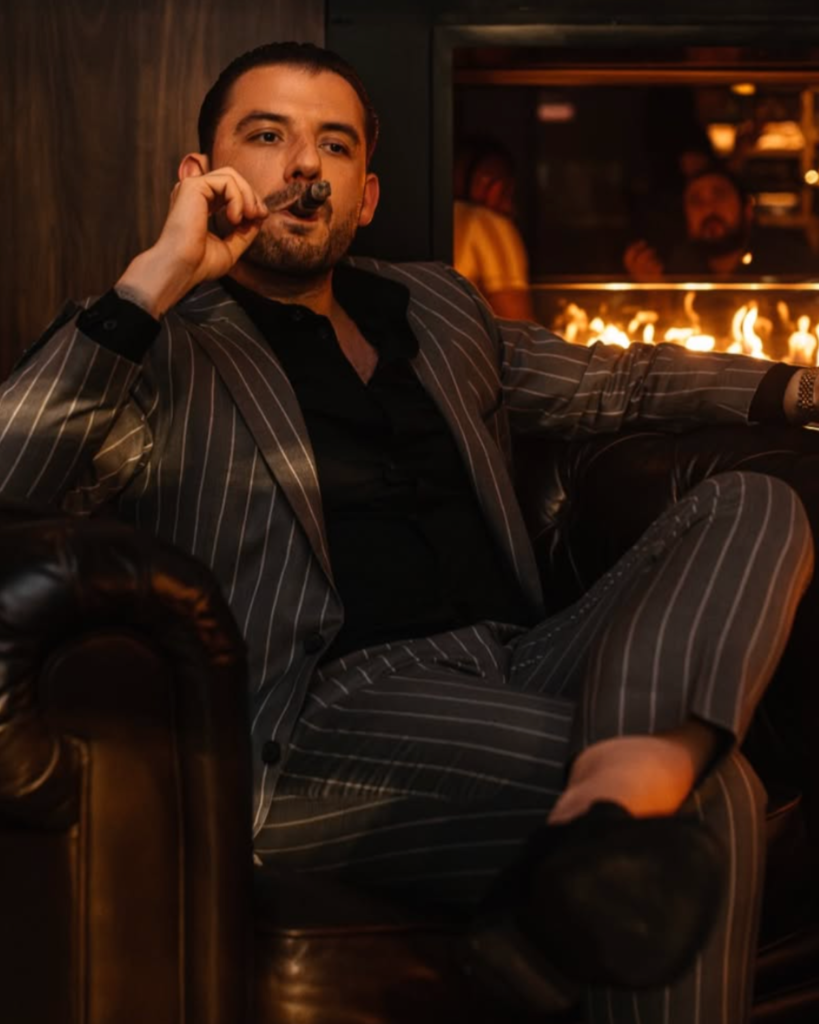
That evolution has clearly paid off. In November 2025, E11EVEN was named the #1 nightclub in the United States and #6 in the world by the International Nightlife Association, putting the Miami institution at the top of a global industry it has spent more than a decade helping redefine.
That becomes even more relevant as nightlife itself becomes increasingly transactional. Social media has made it easier than ever to broadcast where you are, who you are with and what kind of access you have, but Manca believes that constant visibility can actually make genuine hospitality more valuable. “Especially with social media, nightlife can become very transactional: Who are you? What do you spend? How many followers do you have? Who are you with?” he says. “That’s exactly why genuine hospitality stands out even more today.” His philosophy is simple: “Don’t go big go personal.” Remember the name. Remember the drink. Remember where someone likes to sit. Remember something they told you about their family six months ago. A bottle can make an impression, but being remembered creates something much harder to replace.
With social media, nightlife can become very transactional: Who are you? What do you spend? How many followers do you have? Who are you with? That’s exactly why genuine hospitality stands out even more today.
For Manca, the same thinking applies to the artists, managers and agents who power the biggest nights at E11EVEN. In a city where superstar bookings are part of the spectacle, he does not view talent buying as simply exchanging money for a performance. “Booking the artist is the transaction,” he says. “Building the relationship is everything that happens before and after it.” That relationship might mean helping someone in another market, supporting a brand launch, finding a collaboration or simply becoming someone an artist and their team know they can trust when they are in Miami. “If the only time you’re contacting someone is when you need them to perform, that’s not much of a relationship,” he says. The goal is for E11EVEN to become “a resource not just another buyer.”
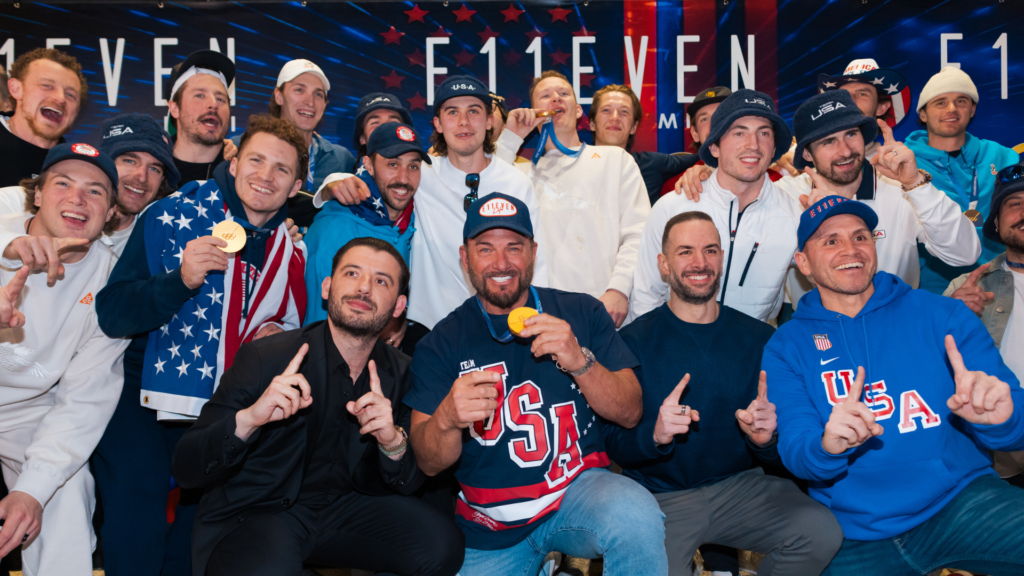
It is also the clearest explanation of how Manca himself has become so valuable within the industry. Nightlife is full of people who are connected. Far fewer are genuinely useful once the introductions are over. “Access gets you into the room. Value keeps you in the room,” Manca says. The people who become indispensable are the ones who respond, communicate, follow up, solve problems and connect others without immediately asking what they get in return. “You could have 10,000 contacts in your phone, but if nobody answers when you call, you don’t really have a network,” he says. “Being connected is knowing people. Being valuable is giving those people a reason to keep answering your call.”
That mindset was built long before the management title. Manca has been learning the business since he was a teenager, when selling a $5 ticket meant convincing someone to believe in a party before they had even experienced it. Building his own promoter team taught him leadership. Negotiating with club owners taught him relationships and leverage. Becoming a marketing director at 19 forced him to think beyond his own sales. E11EVEN then gave him the opportunity to bring all of those skills into a much larger hospitality operation. “Throughout every stage of my career, I’ve had to continuously reinvent myself,” he says. “I’ve learned that what gets you to one level isn’t always what’s going to get you to the next.”
That is why Manca is not particularly interested in romanticizing nightlife for anyone who thinks getting into the business means getting paid to party. From the outside, the industry can look like an endless VIP section with a better soundtrack. From the inside, it is hours, rejection, staffing problems, difficult guests, competition, missed holidays, pressure and an almost endless amount of relationship-building. “They see the finished product,” Manca says. “They see the lifestyle. They don’t see the hours, rejection, difficult guests, staffing problems, missed holidays, pressure, competition and relationship-building required behind the scenes.” His warning is blunt: “If you’re getting into nightlife because you want to party, eventually the industry will expose you.” If you love people, sales, hospitality, relationships and creating experiences, however, he believes there is an incredible career on the other side of the velvet rope.
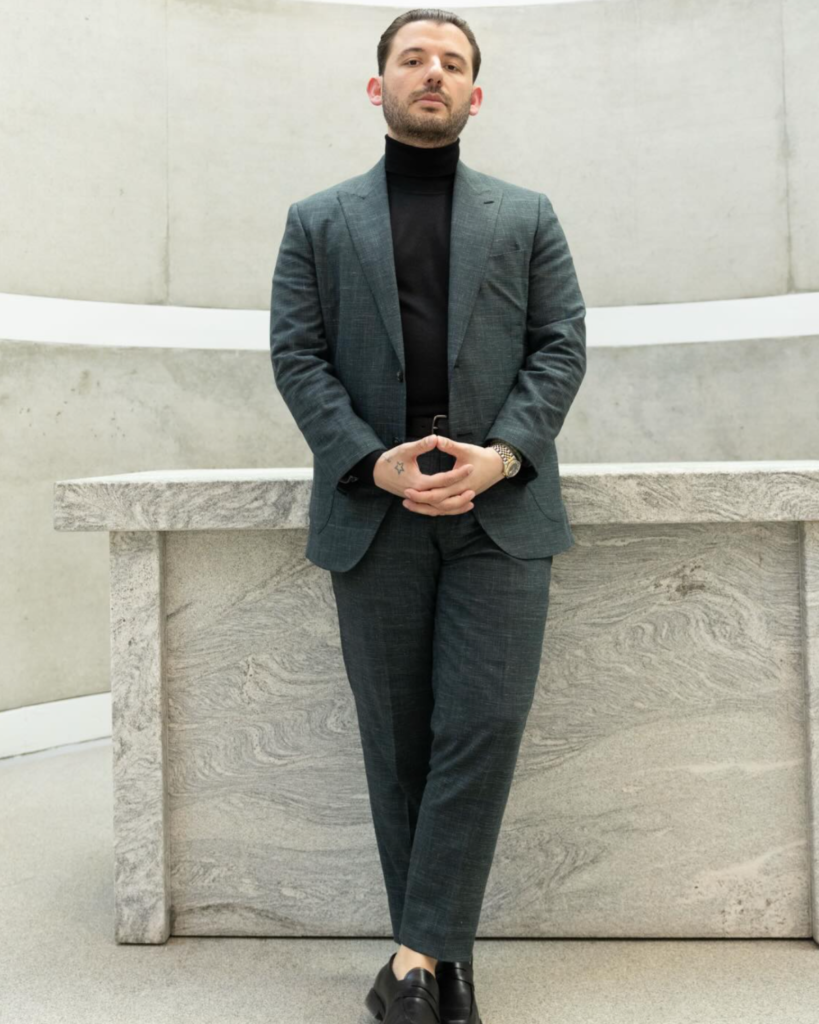
His education has also taken him well beyond the E11EVEN room. Through international activations, pop-ups and six years working with Baja Beach Fest, Manca has learned that a successful nightlife concept cannot simply be dropped into a new city and expected to work because the logo does. Every market has its own culture, spending habits, relationships, regulations and expectations. The trick is figuring out what cannot change and what absolutely has to. “You must identify the non-negotiables of your brand, the things that make it special, and then adapt everything else to the market,” he says. “You shouldn’t enter a new city saying, ‘We’re here to show you how we do it.’ You should enter saying, ‘Teach us how your city works, and we’ll show you what makes us special.’”
Being connected is knowing people. Being valuable is giving those people a reason to keep answering your call.
His read on Miami and New York follows that same philosophy. Miami understands spectacle, and that is part of the city’s magic. People arrive ready to celebrate, spend and experience something worth talking about afterward. New York plays a different game. “New York, though, has something that’s incredibly difficult to manufacture: density and culture,” Manca says. “You have so many different industries, communities, tastemakers and influential people packed into one city.” A tiny New York room can become culturally important without being the biggest or most expensive room in town. “Miami might beat you on spectacle. New York can beat you on intimacy and cultural influence. The best operator understands the difference.”
Then there is the question hanging over almost every nightlife conversation right now: what happens when people simply do not want to drink as much? Manca does not see that shift as a reason to panic. He sees it as an opportunity to make the experience itself stronger. “Nightlife can’t depend solely on alcohol,” he says. “People still want to socialize. They still want music. They still want community. They still want to celebrate and meet people. What may change is how they want to do it.”
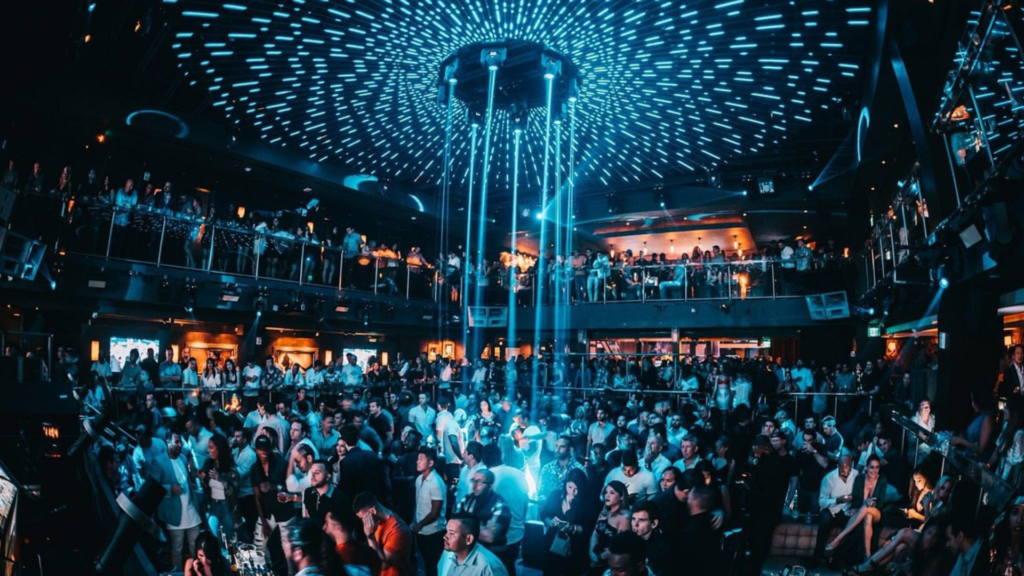
That idea is already baked into E11EVEN’s identity. It has never operated strictly like a traditional nightclub, and Manca believes the future belongs to concepts that can give people more than one reason to show up. “The 24/7 identity, performances, entertainment and unpredictability are part of the product,” he says. The next winner in nightlife, he believes, “isn’t necessarily going to be whoever sells the most alcohol. It’s going to be whoever gives people the strongest reason to leave their house.” In other words, the competition is no longer just the club down the street. It is Netflix, TikTok, DoorDash, the group chat and every other reason someone might decide that staying in sounds easier.
If Manca were rebuilding American nightlife from scratch, he would keep “the energy, music, human connection, celebration and unpredictability” that make going out special, while stripping away some of the transactional behavior that has crept into the industry. He would move away from the mentality that “the biggest spender automatically deserves the best hospitality” and put more emphasis on training the people responsible for actually delivering the experience. He would also build concepts with multiple reasons to visit: “Food, entertainment, music, networking, wellness, technology, membership, content whatever fits the brand.” His prediction for the old bottle-and-DJ formula is equally direct: “You can’t rely on bottles and a DJ forever.”
What he would put at the center of it all is even simpler. People. “The next great nightlife concept needs to understand people better than it understands nightlife,” he says. “Because trends will change. Platforms will change. Music will change. How people spend money will change.” What will not change is the desire to feel important, connected and like you belong somewhere.
The next great nightlife concept needs to understand people better than it understands nightlife.
Manca has seen that play out in some of the biggest nights at E11EVEN, watching championship athletes celebrate milestones they spent their lives working toward, major artists perform and business leaders, celebrities and guests from around the world collide under the same roof. Those experiences changed the way he thinks about the room itself. “Those moments made me realize that a nightclub isn’t just a place where people drink,” he says. “We’re creating the place where somebody celebrates the biggest moment of their life.” To the staff, it may be another Saturday night. To the person walking through the door, it could be a night they remember forever.
Which brings us back to that 16-year-old selling $5 tickets in Downtown Miami. It is tempting to look at Manca’s career as a straight line from teenage promoter to E11EVEN executive, but it was really a collection of lessons about people, attention and value. First, get them there. Then figure out why they came. Then figure out what will make them return. Eventually, figure out how to create an experience they want to be part of even when you are not asking them to buy anything.
Maybe that is the real reason Manca has managed to stay relevant through more than a decade in an industry that is famously obsessed with the next new thing. He understands the spectacle, but does not mistake spectacle for substance. He understands access, but does not confuse access with influence. He understands sales, but has learned that the most valuable thing you can build after the transaction is the relationship.
He started by selling people a reason to come to the party. More than a decade later, he is helping E11EVEN answer a much bigger question, one that every nightlife brand will eventually have to answer: Why should anyone want to leave home tonight?